2020 - Ongoing
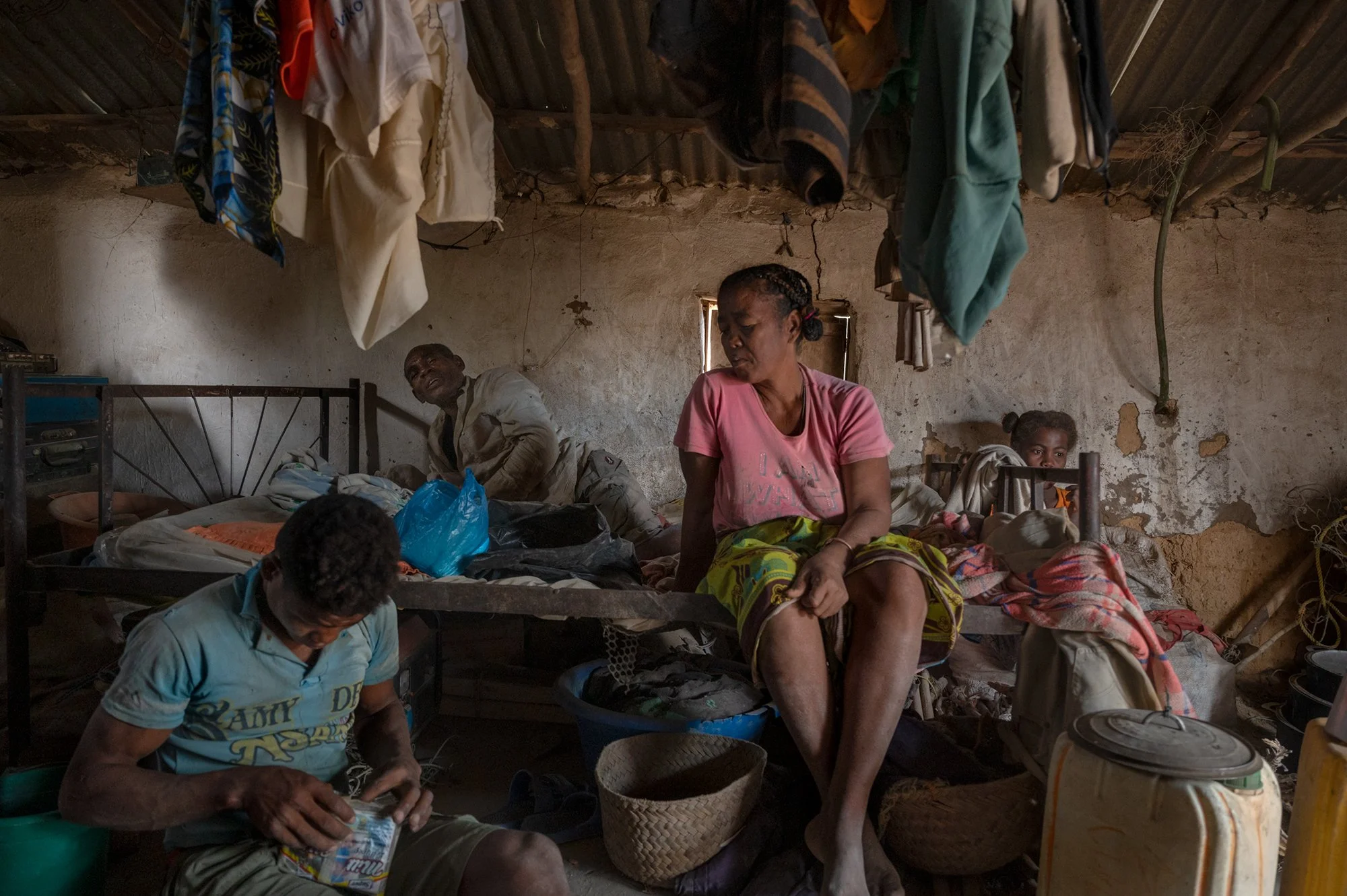
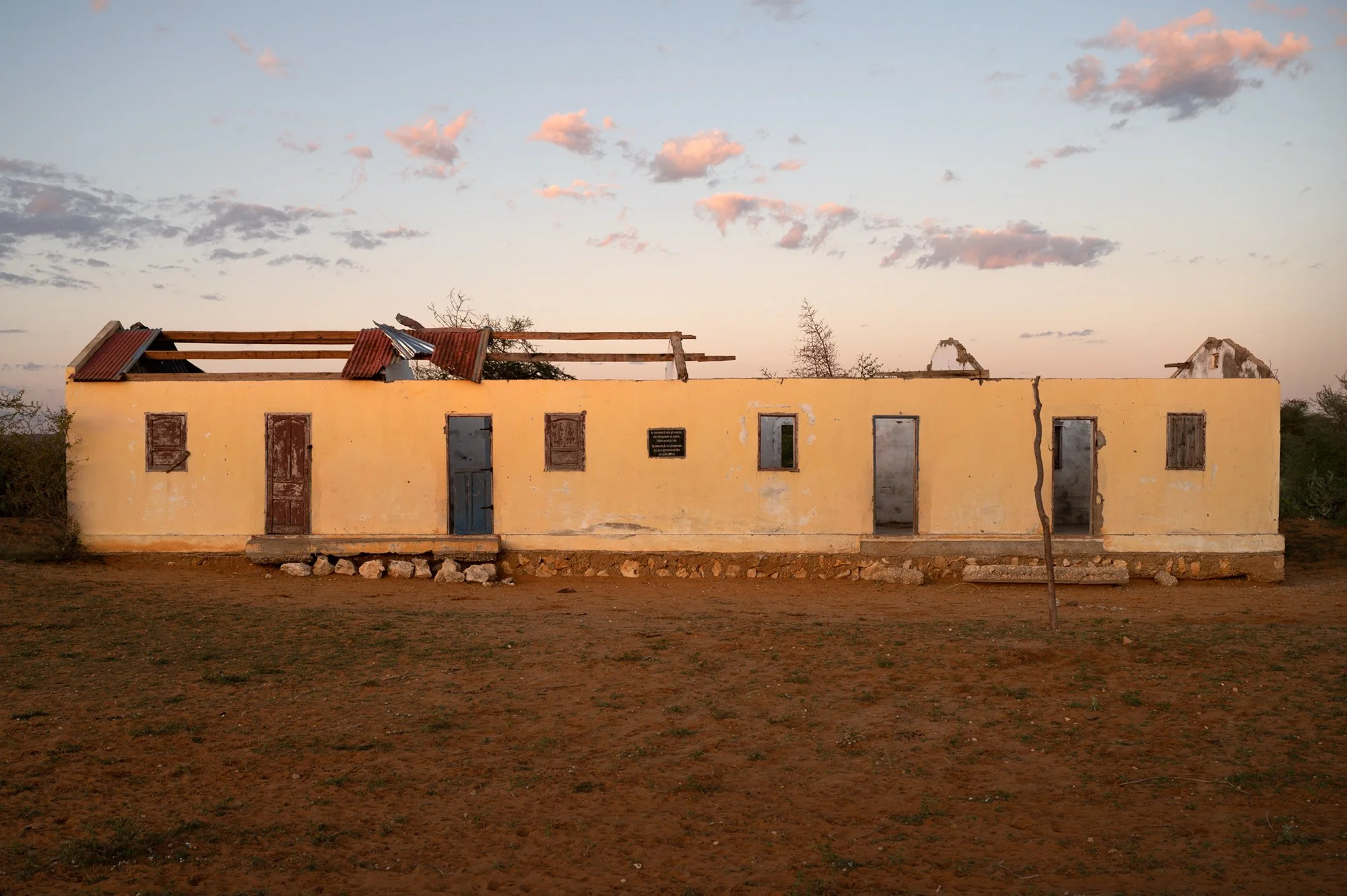
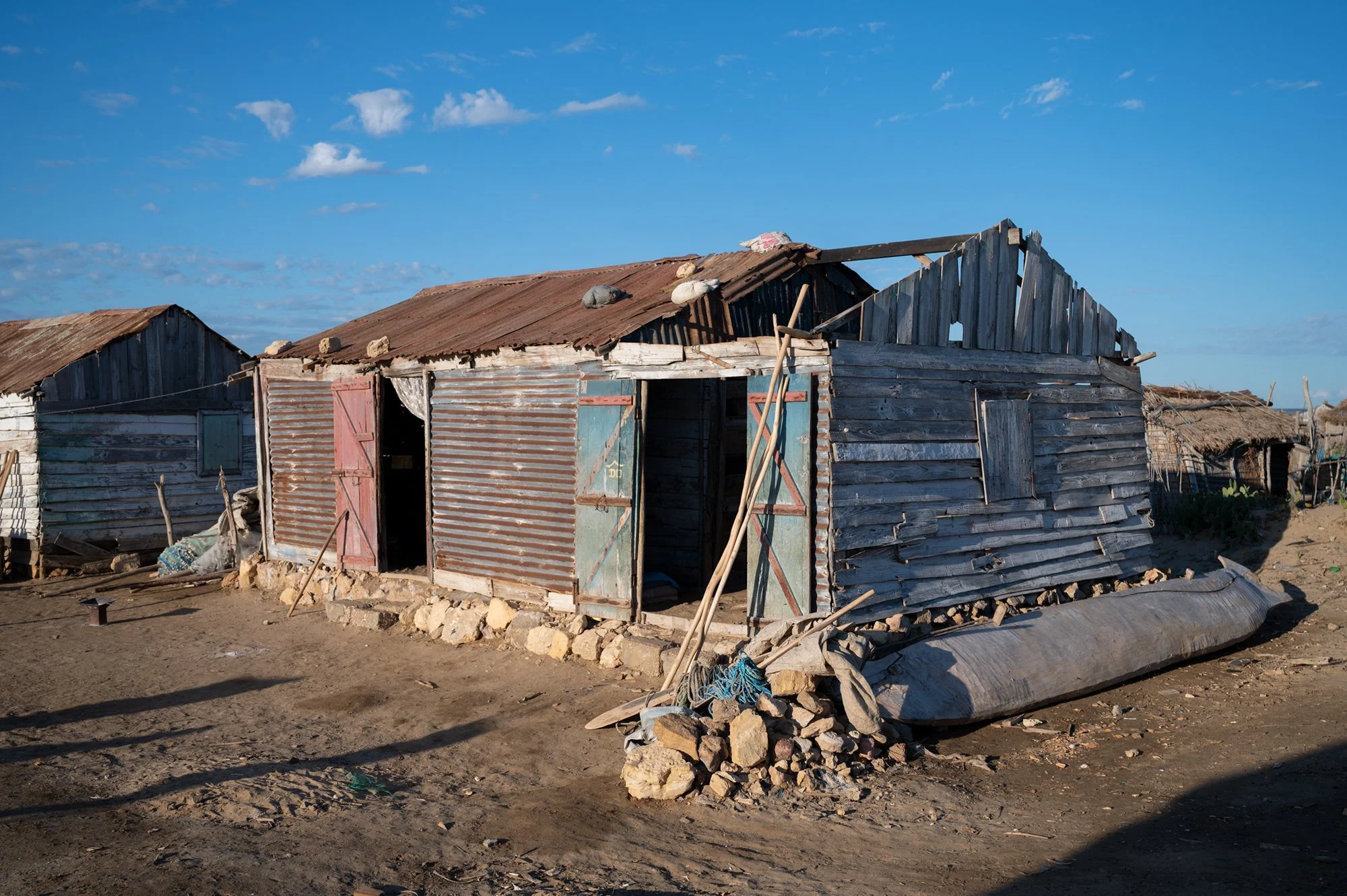
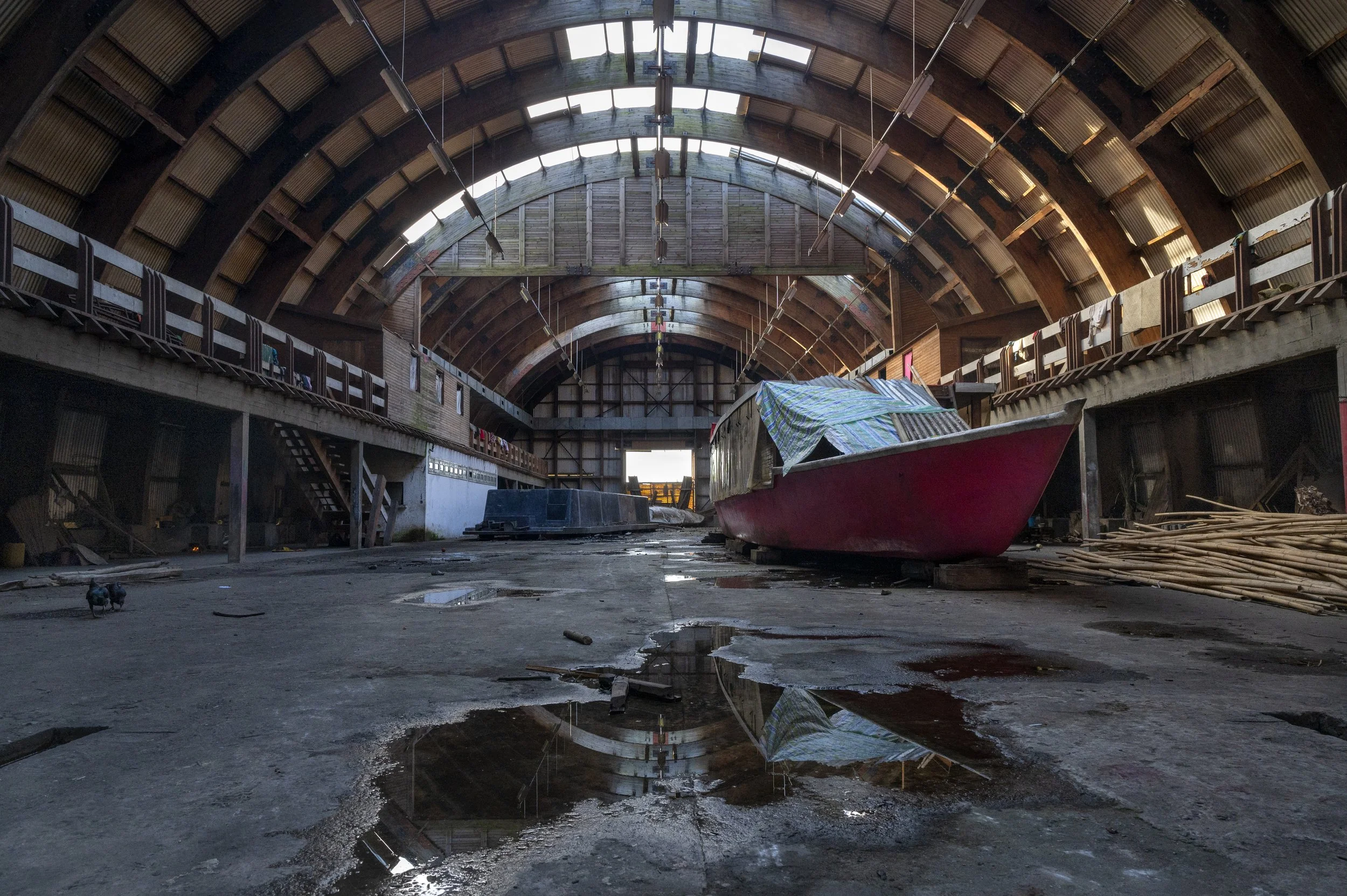
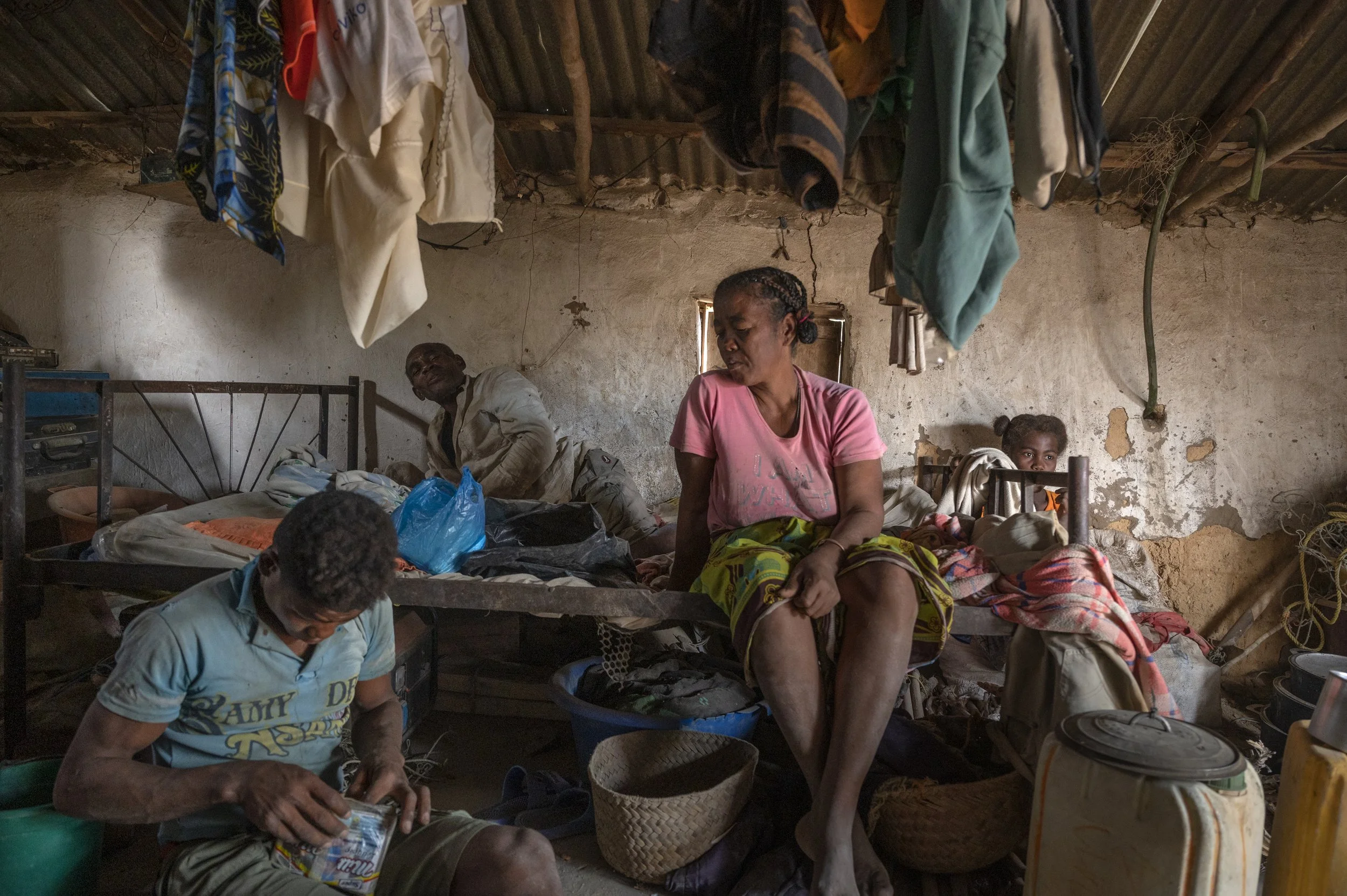
Madagascar, a large island off the coast of Africa in the Indian Ocean, often celebrated as a natural paradise, is actually one of the ten countries most vulnerable to climate disasters worldwide and the most exposed in Africa to increasingly intense and frequent cyclones. The combination of multiple climate stresses, coupled with weak development and governance neglect, creates numerous challenges for the Malagasy population, which is already heavily affected by a continuous rise in absolute poverty and constant inflation in the prices of staple foods such as rice, fish, and water.
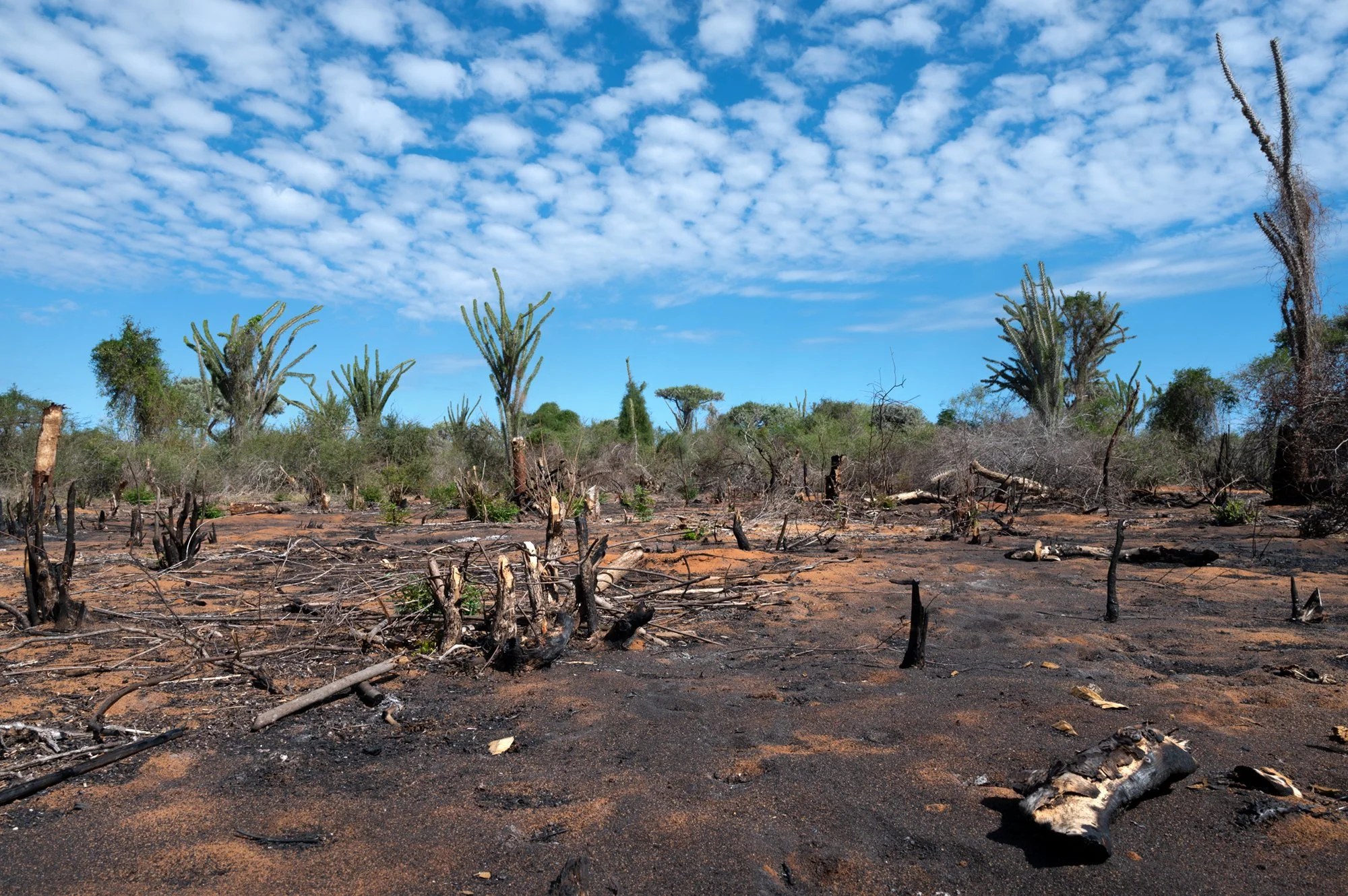
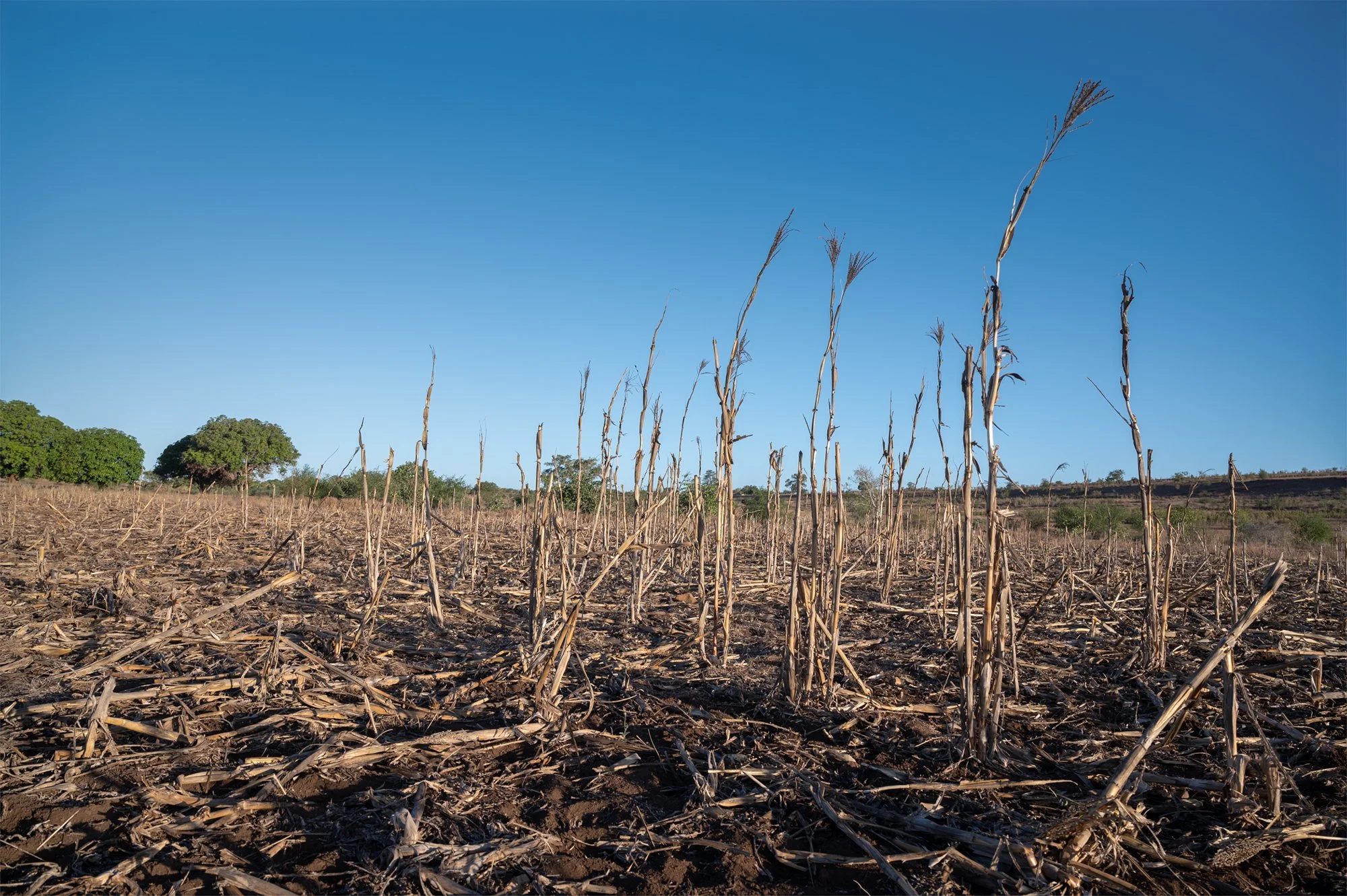
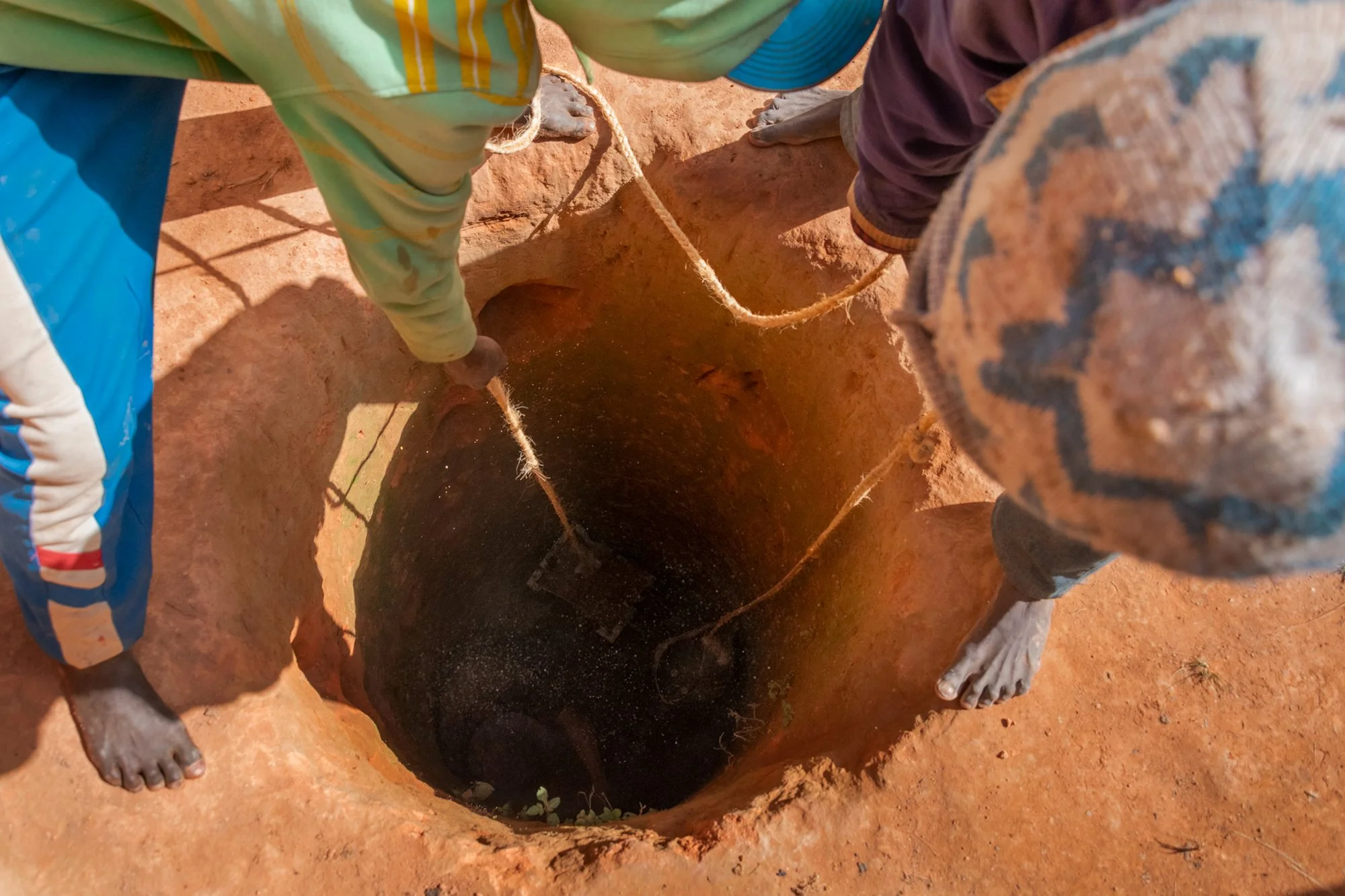
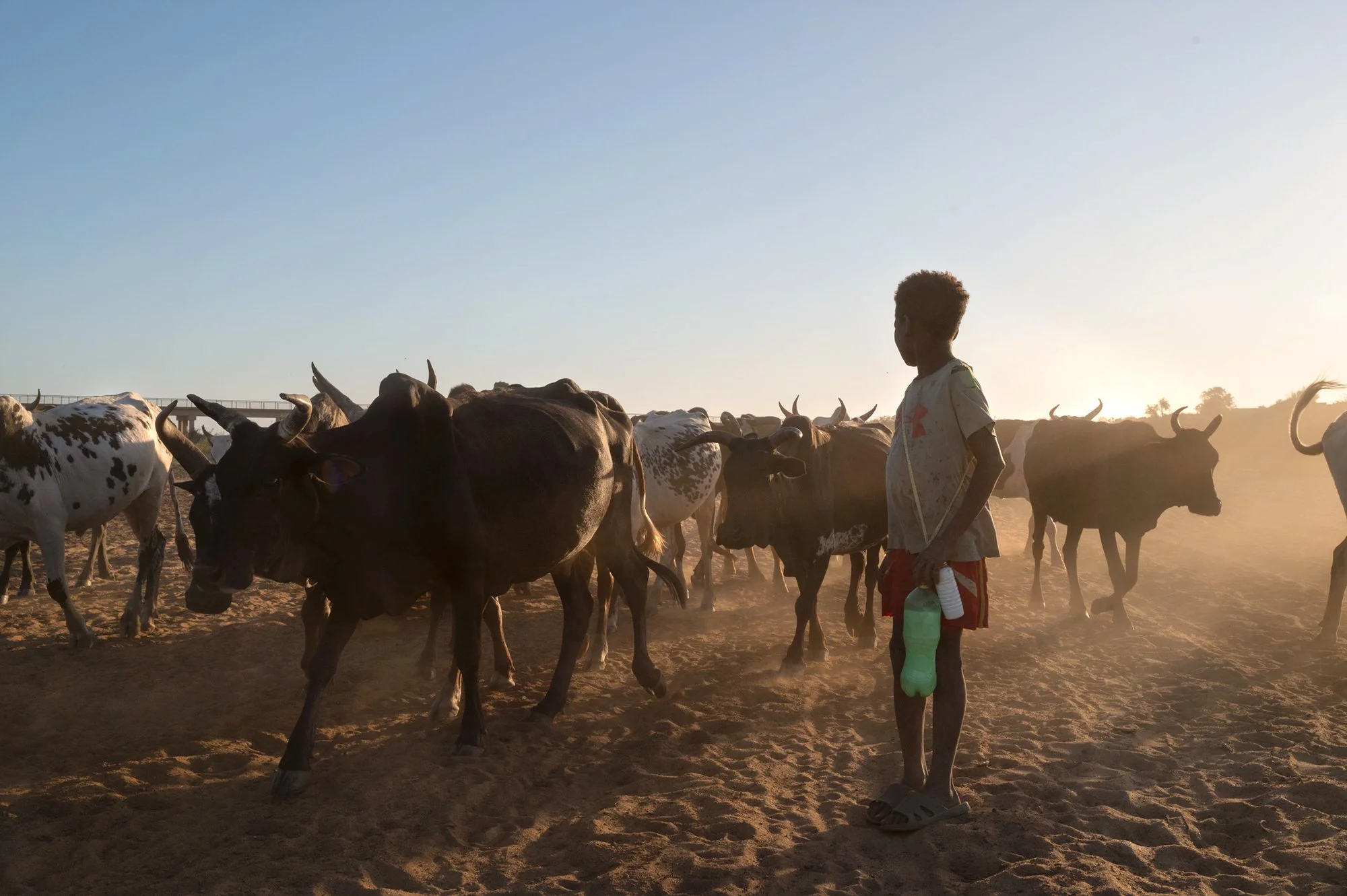
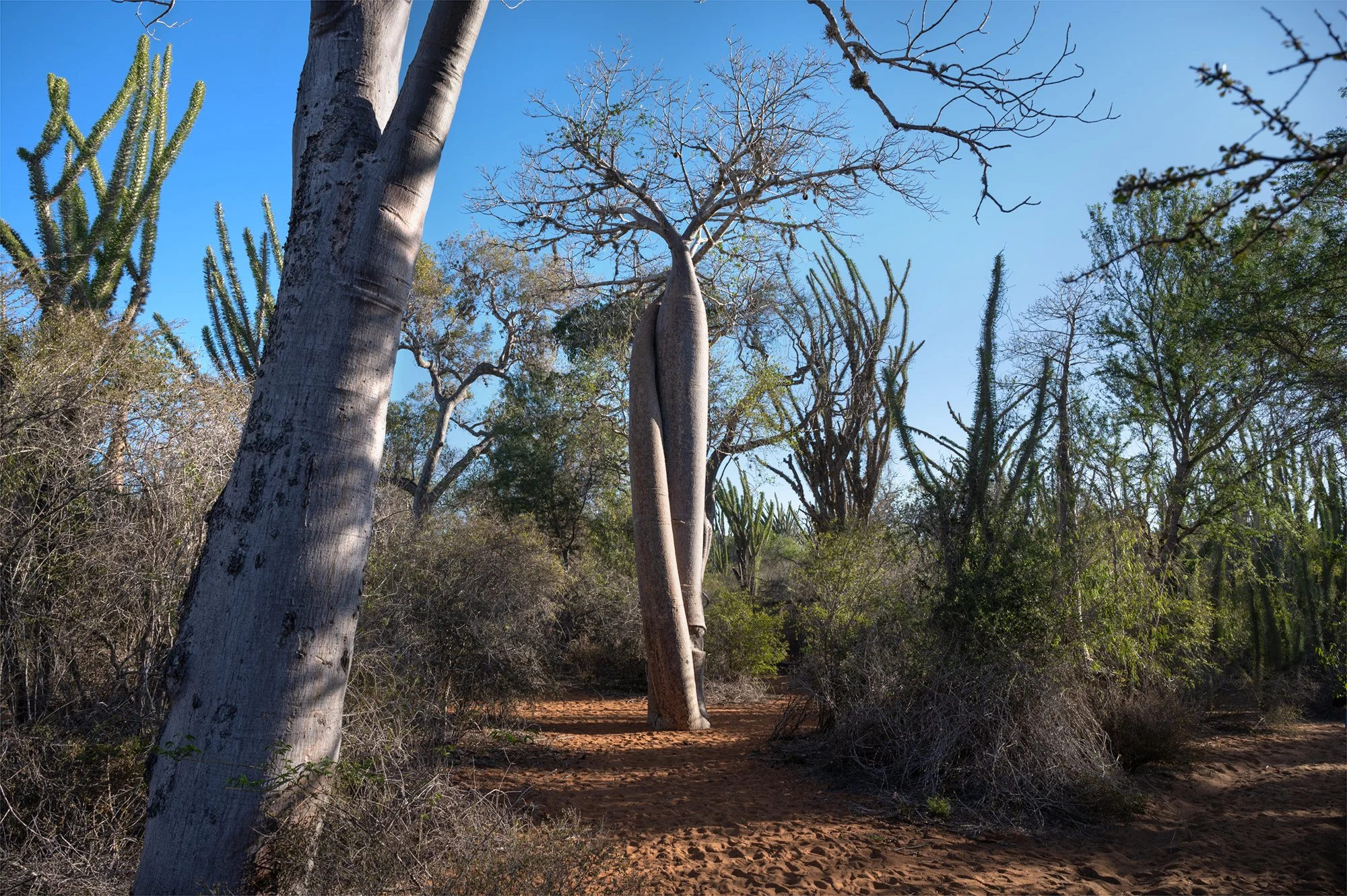
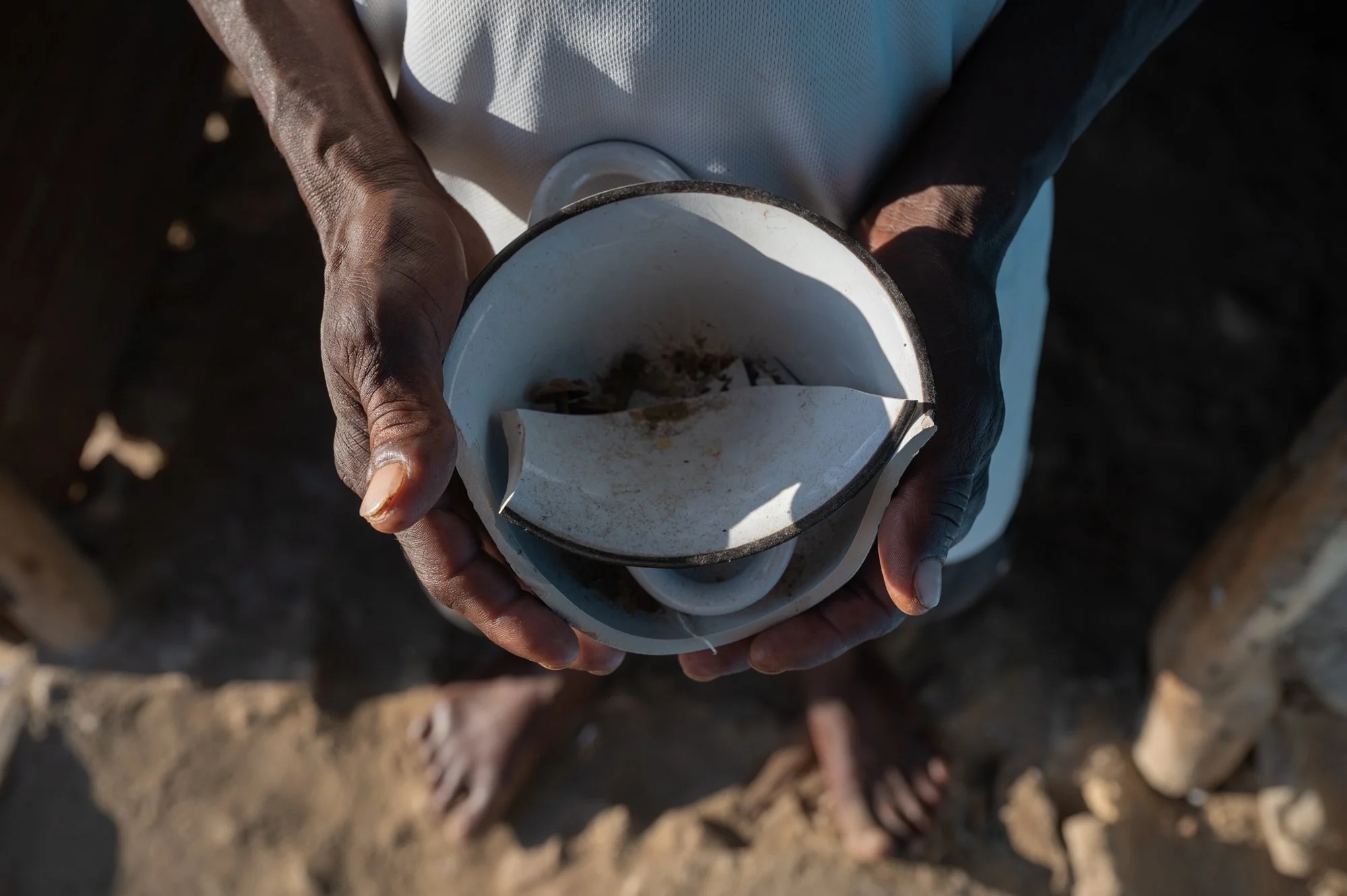
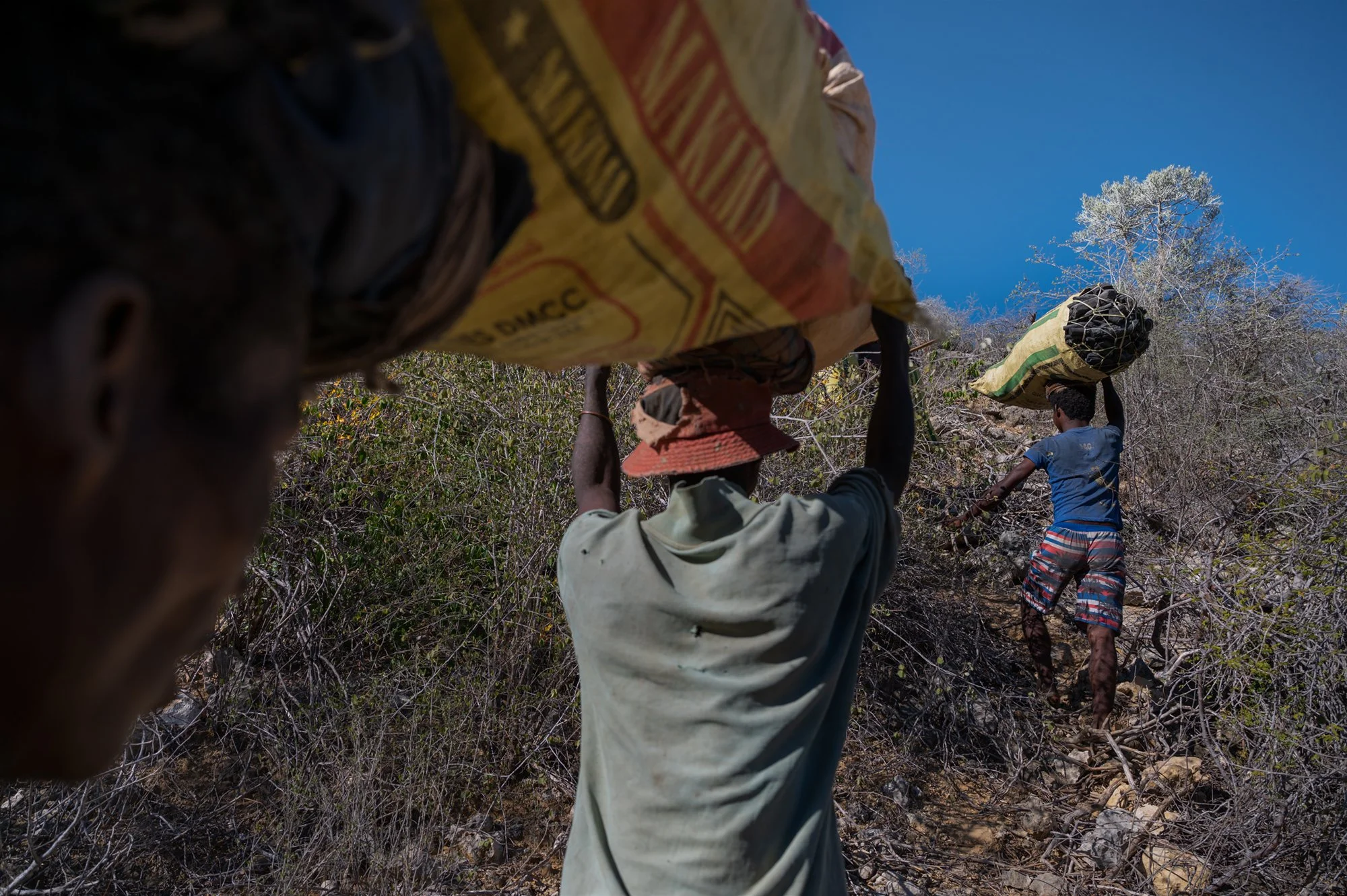
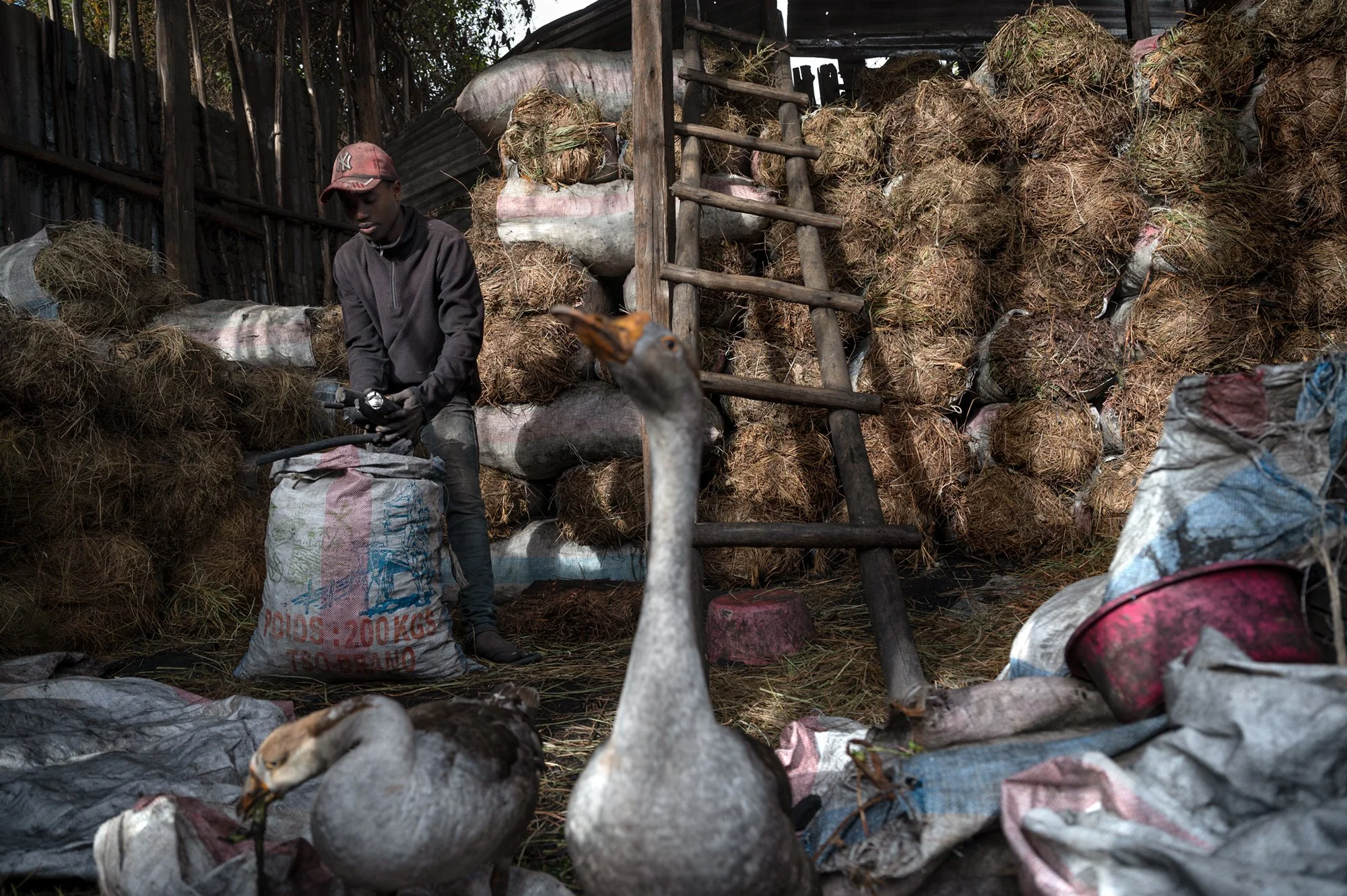
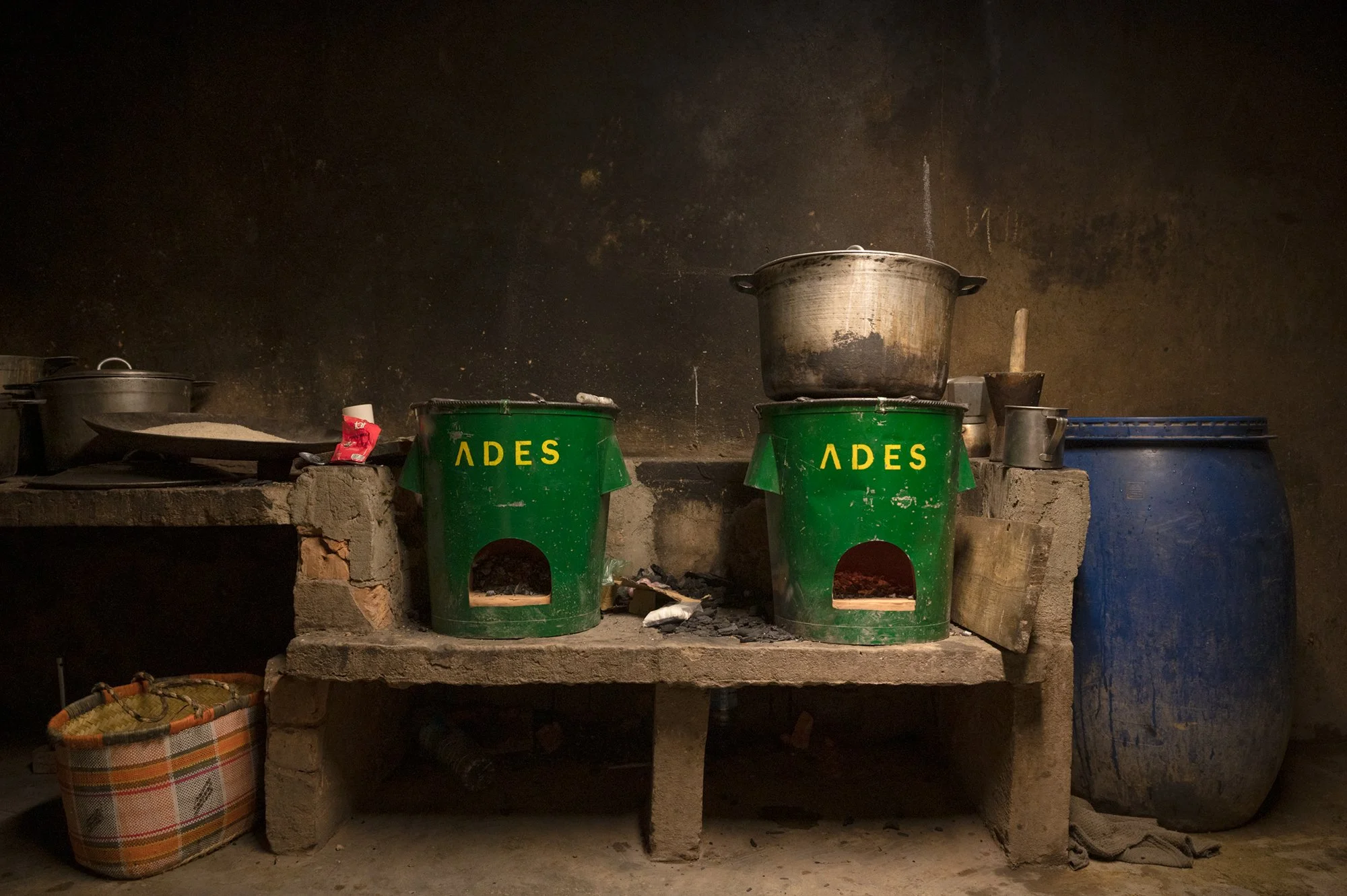
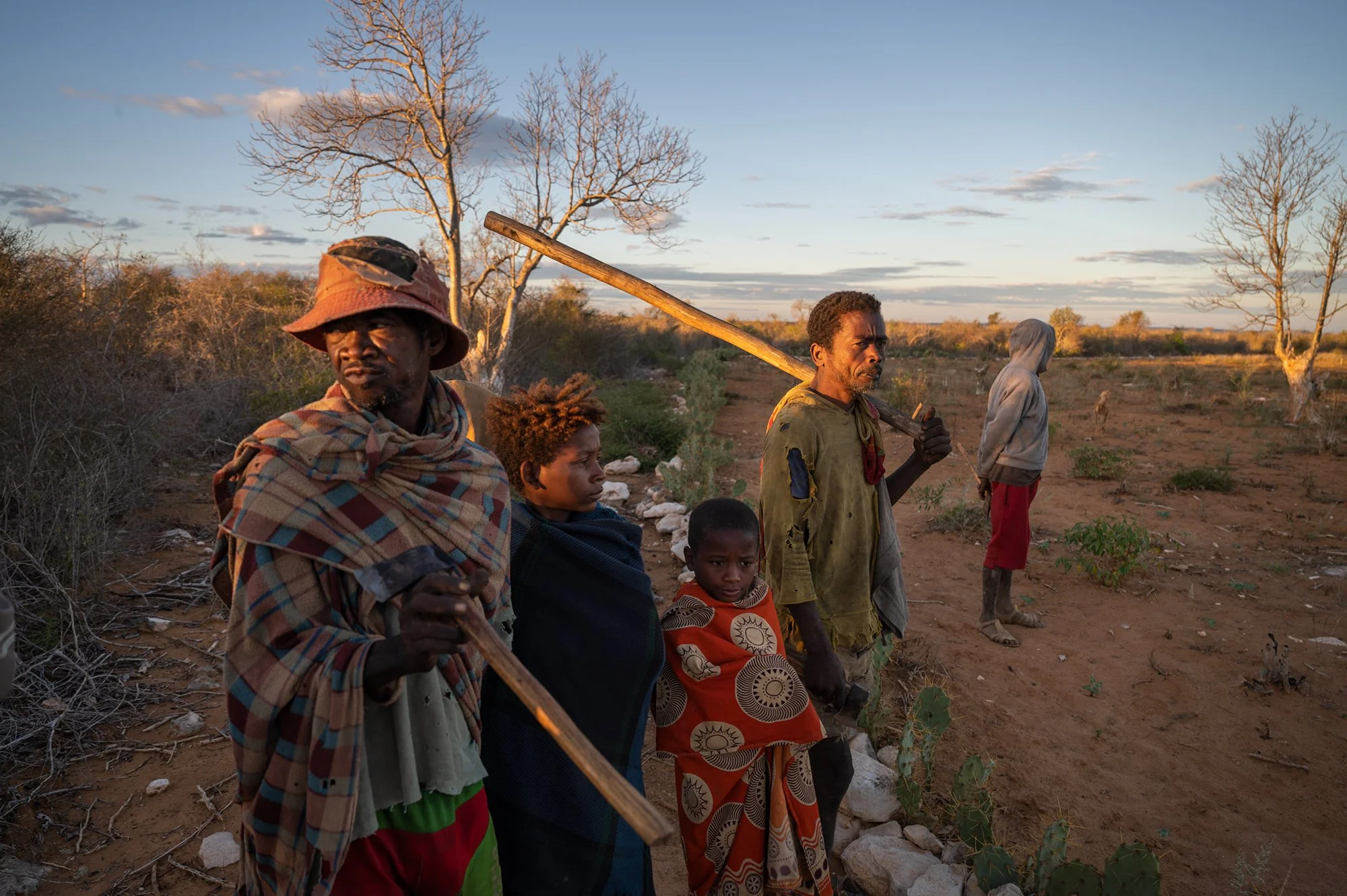
In the “Grand Sud,” consecutive years of drought and government neglect have rendered subsistence agriculture nearly impossible, forcing many villages into illegal activities such as charcoal production, which has led to the destruction of 40% of the country’s original forests.
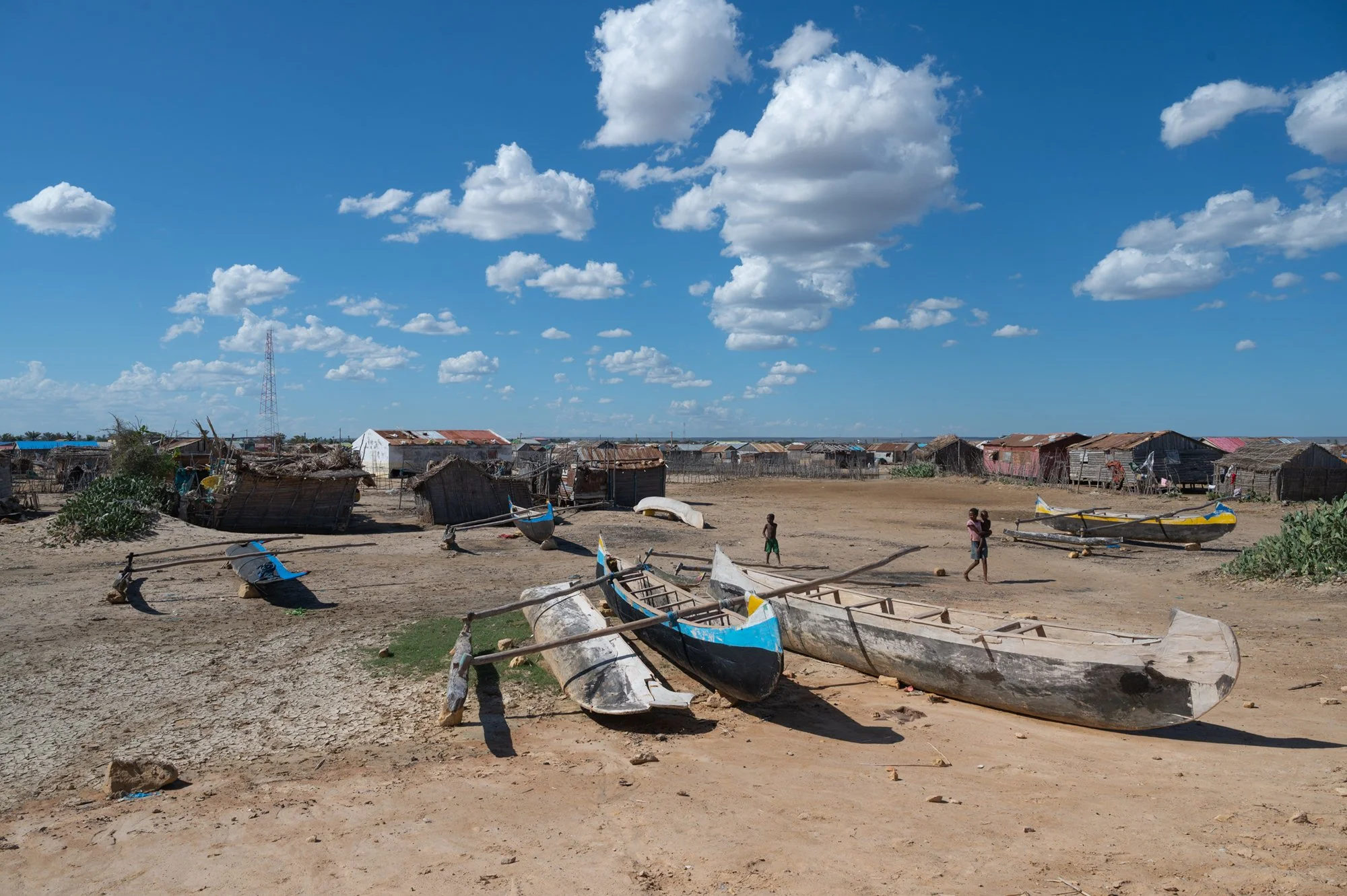
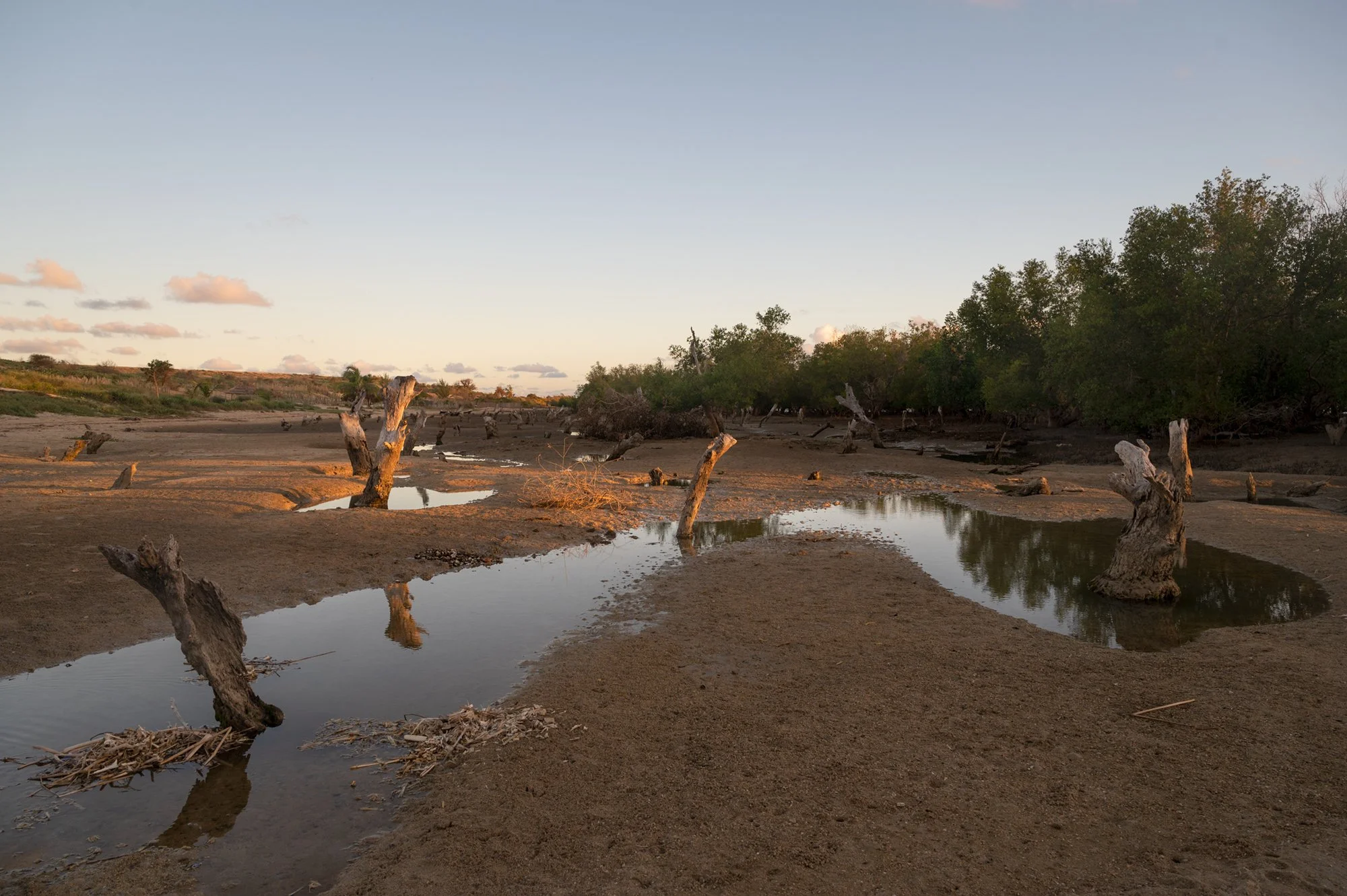
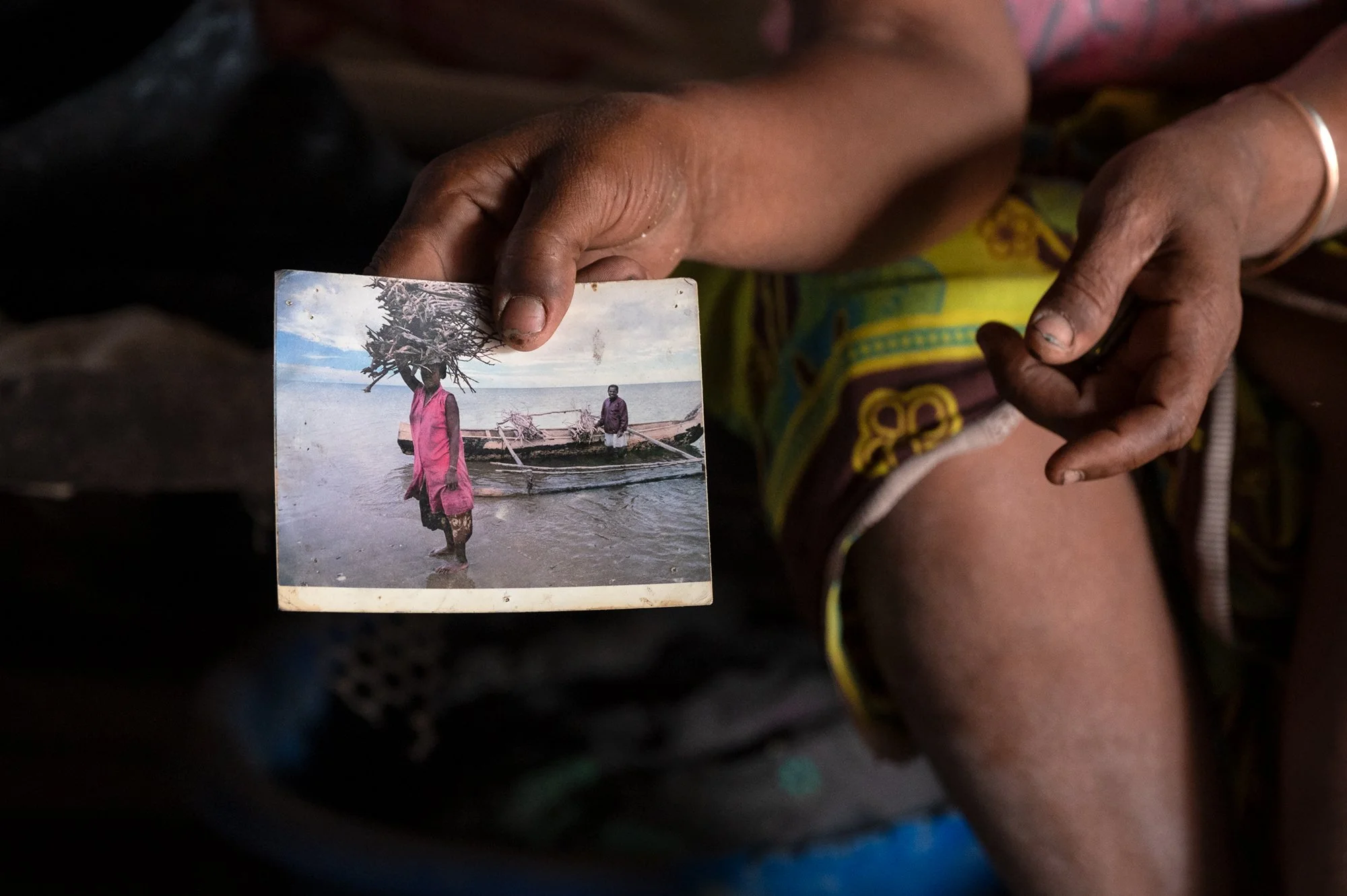
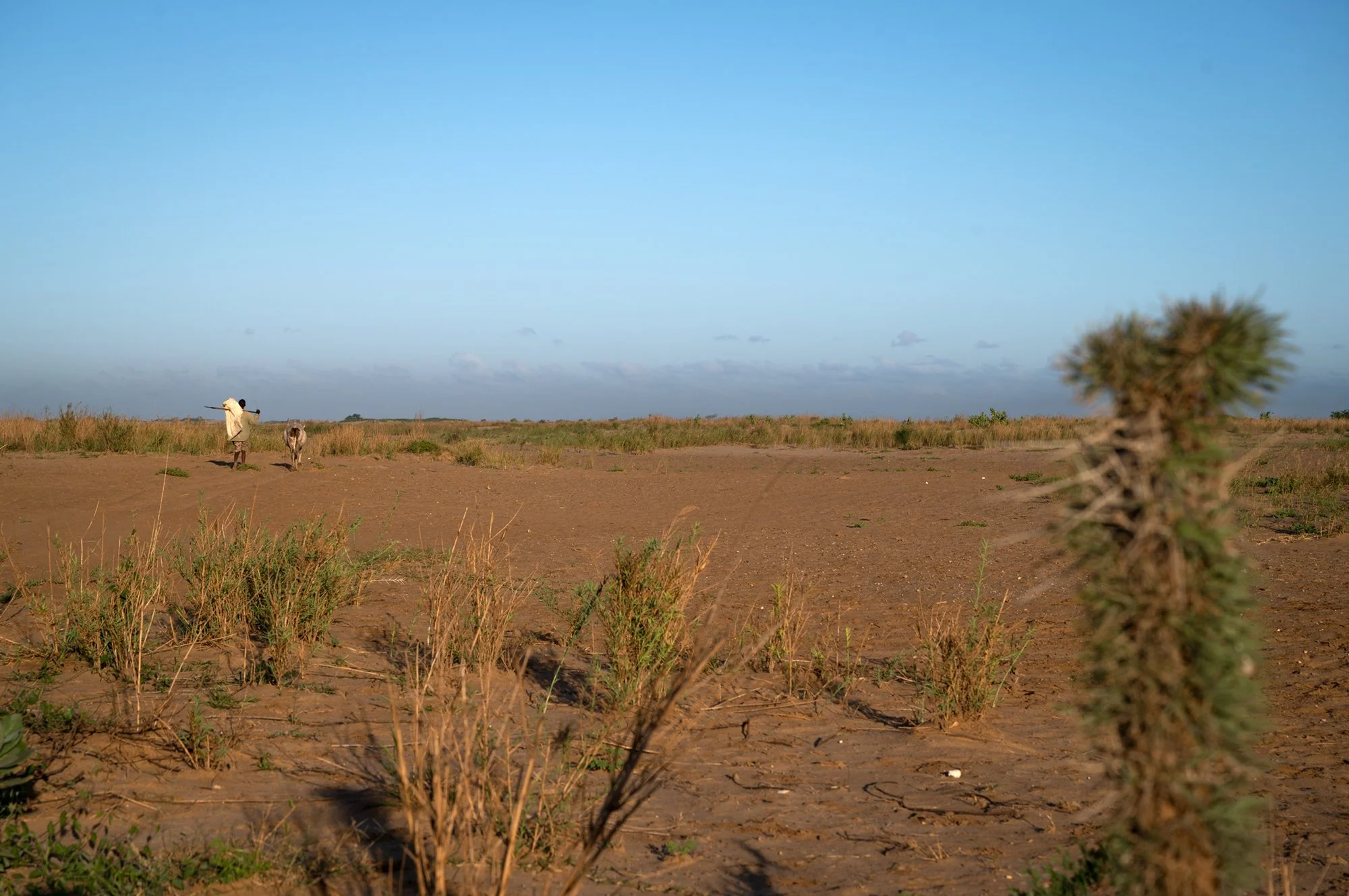
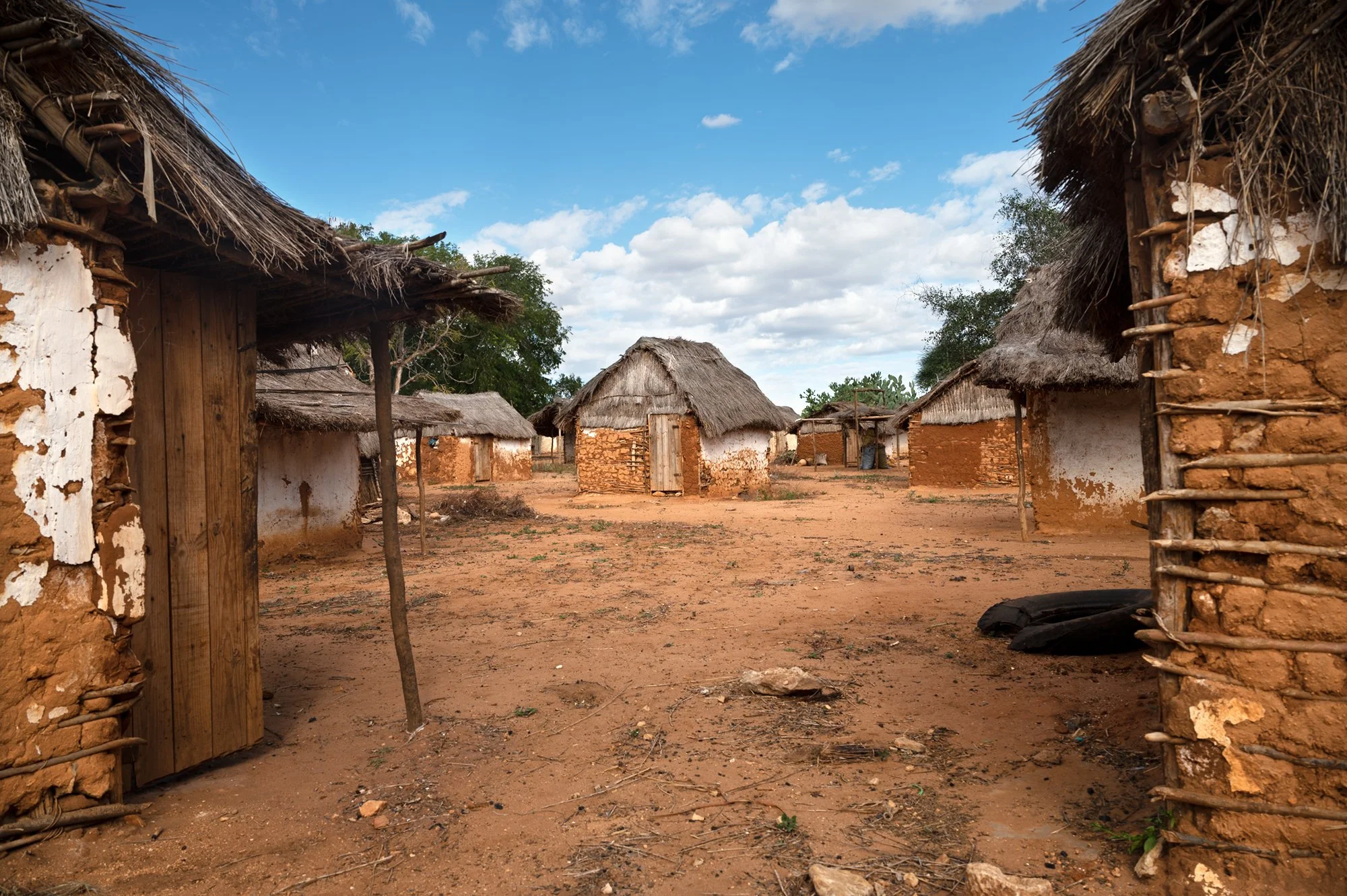
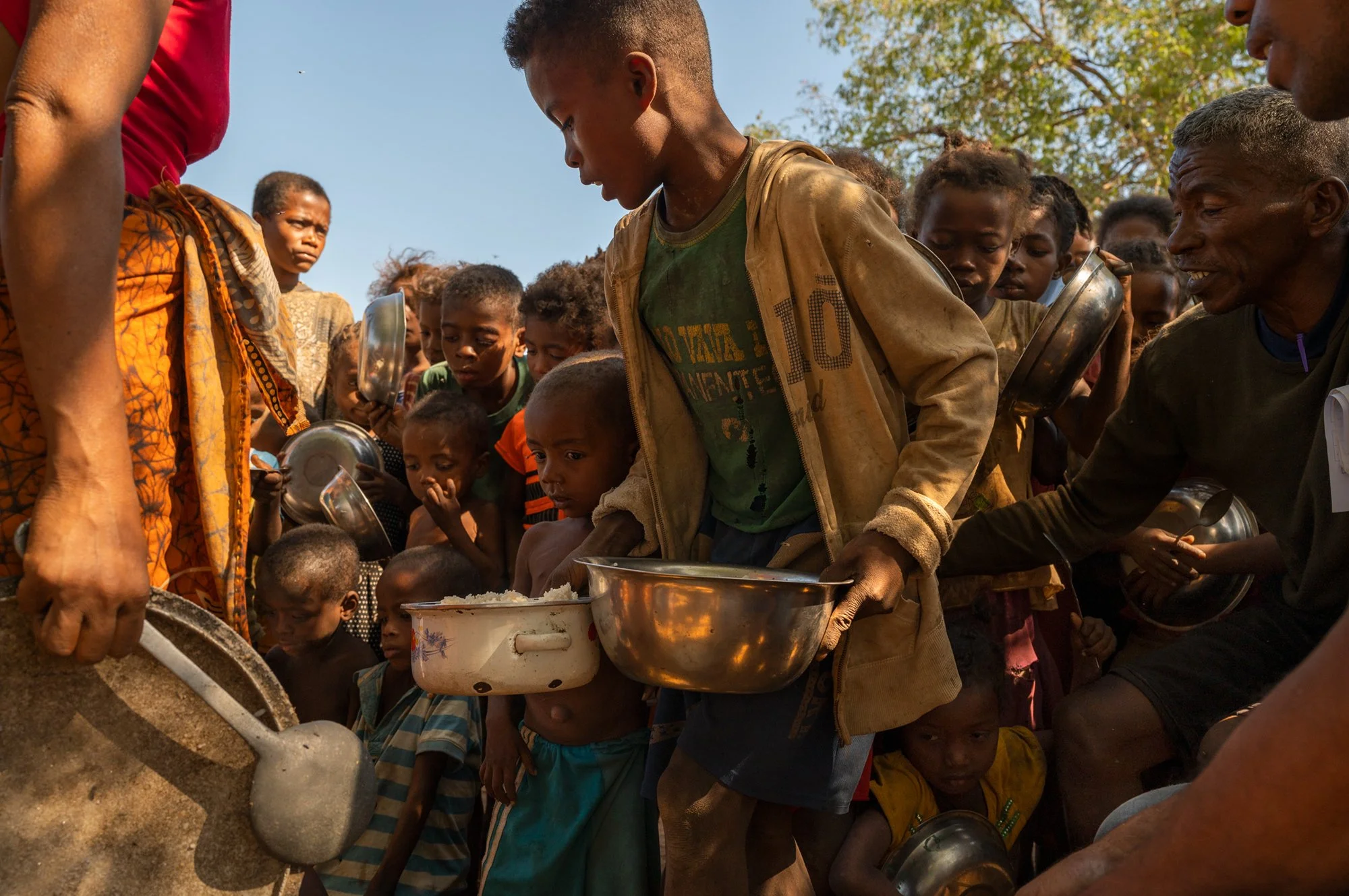
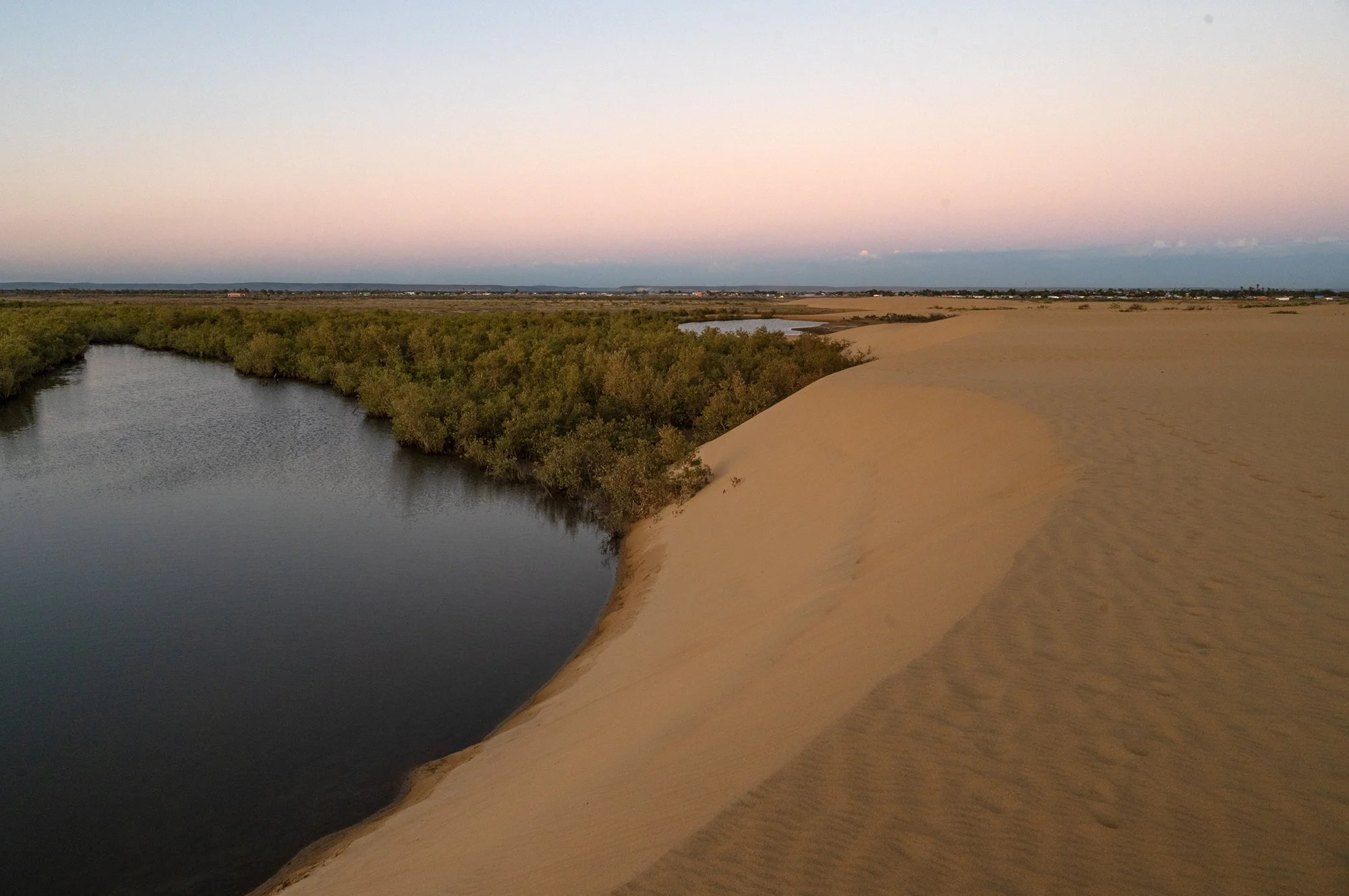
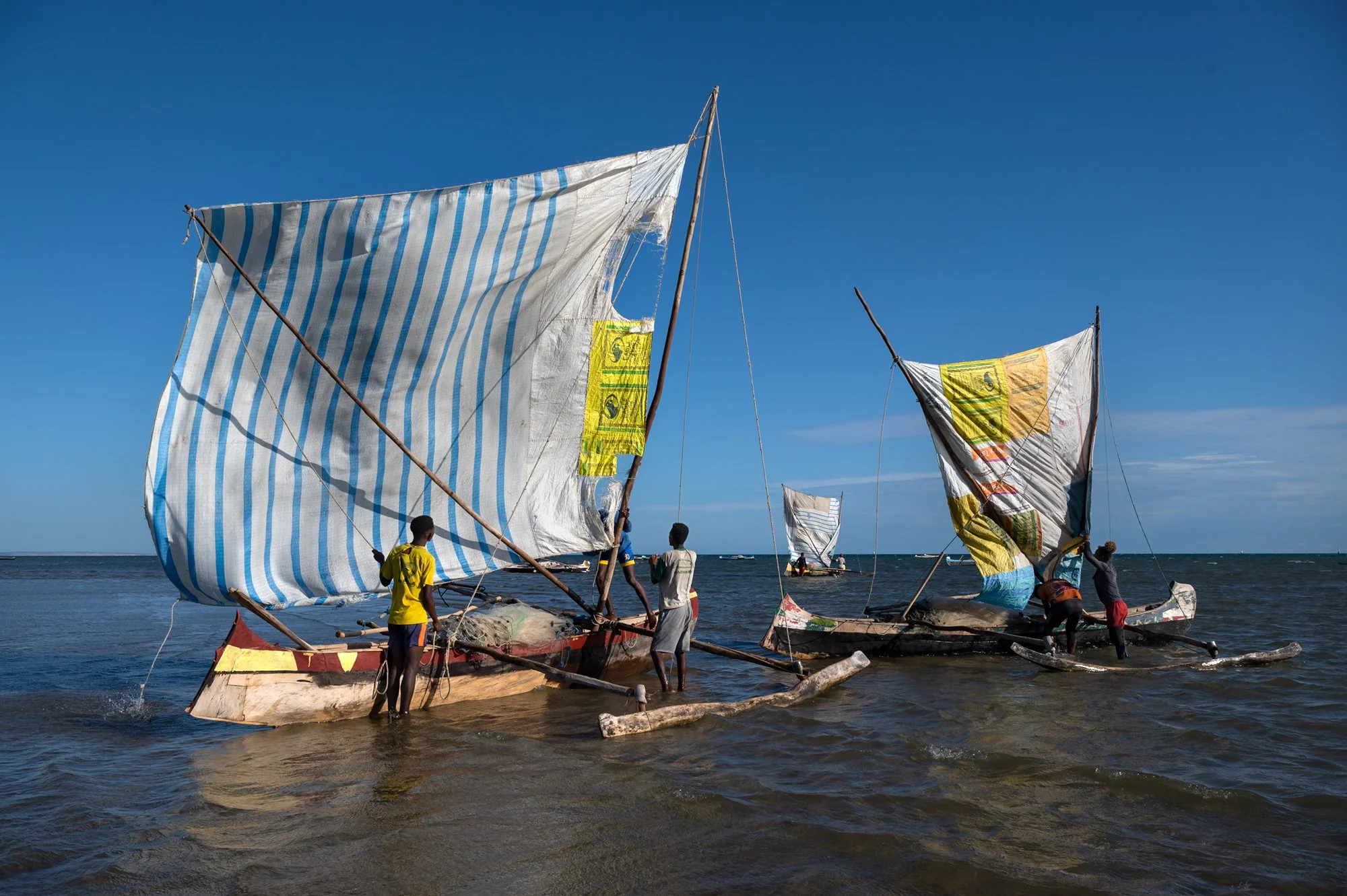
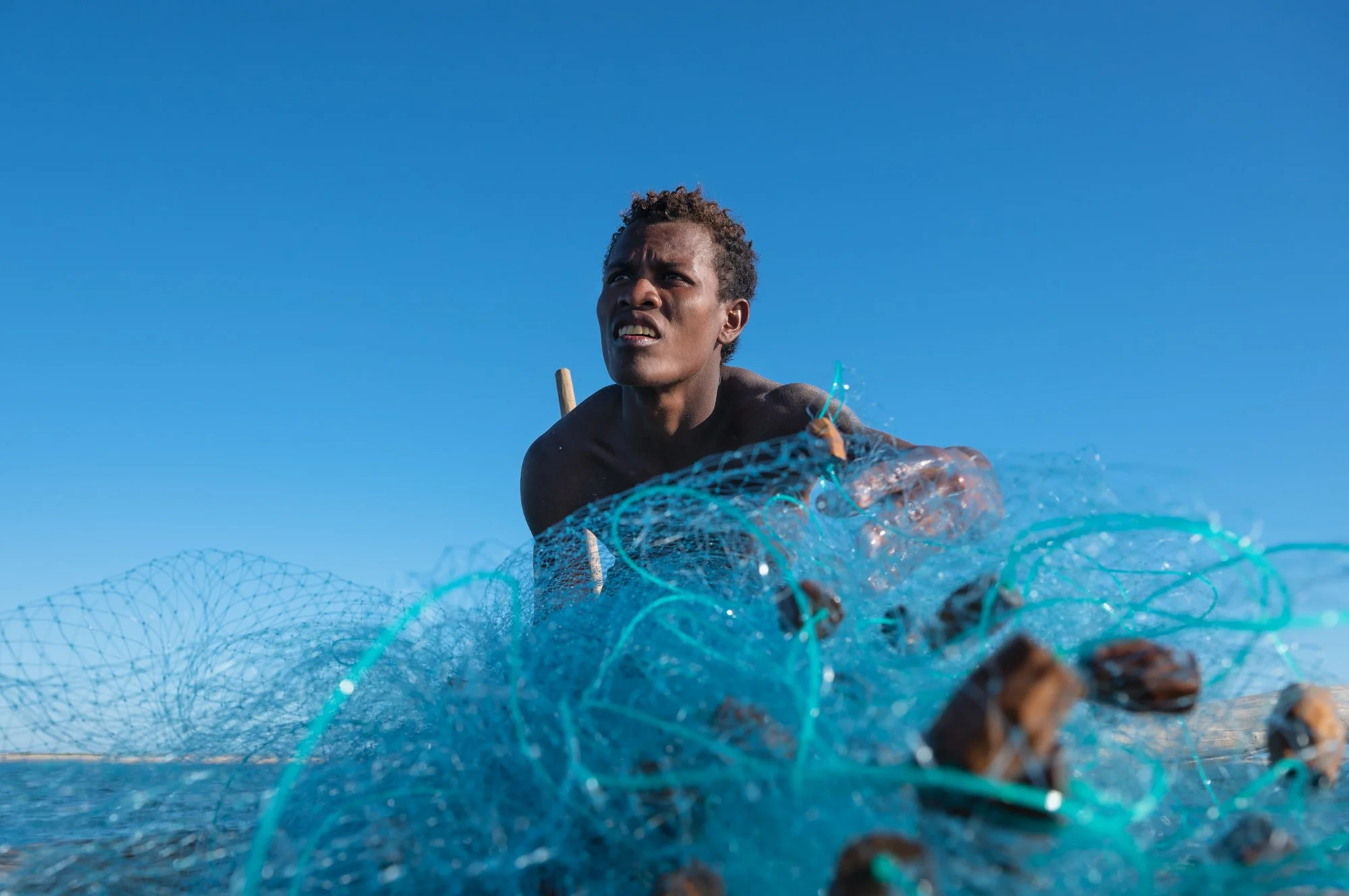
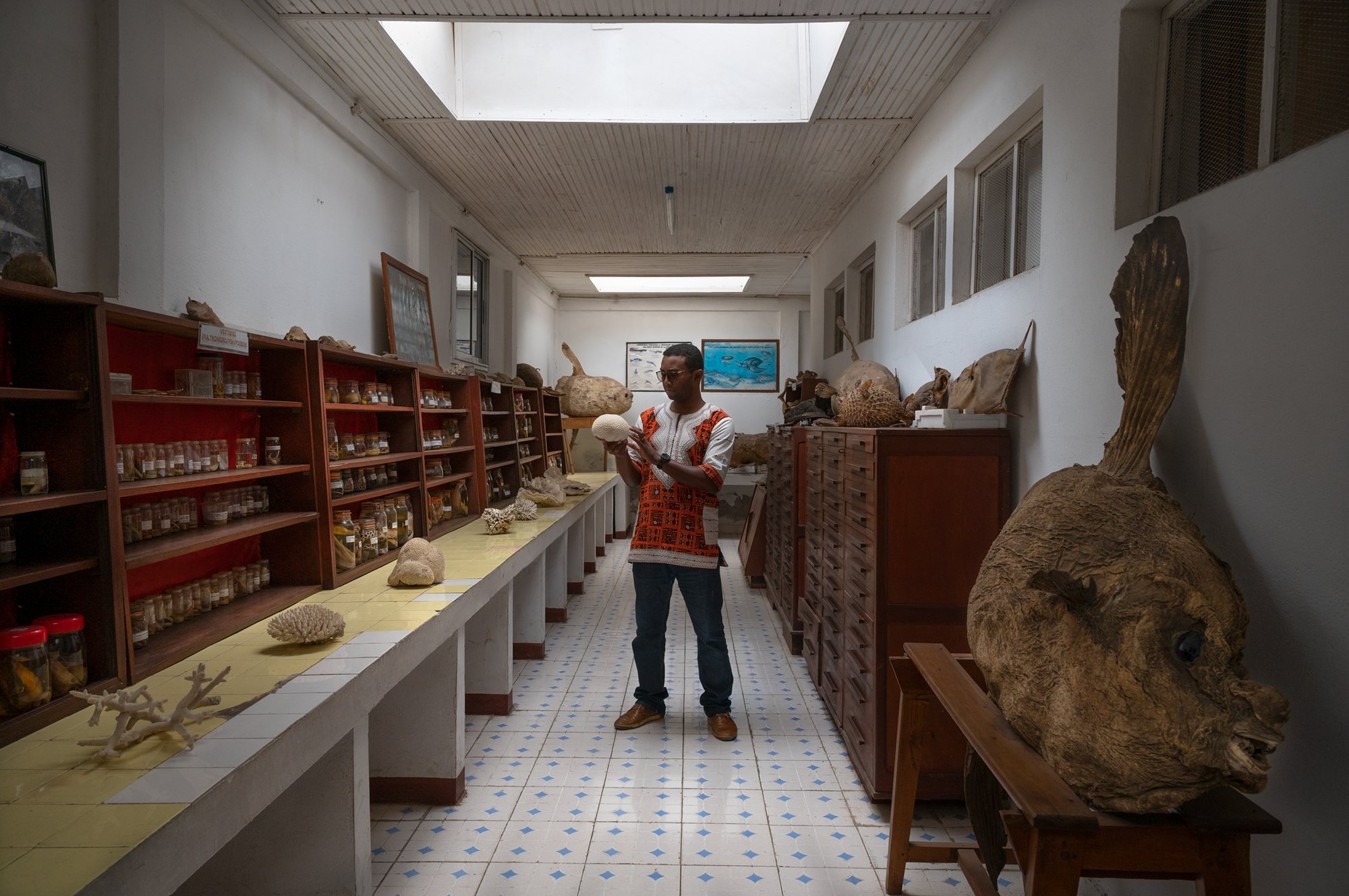
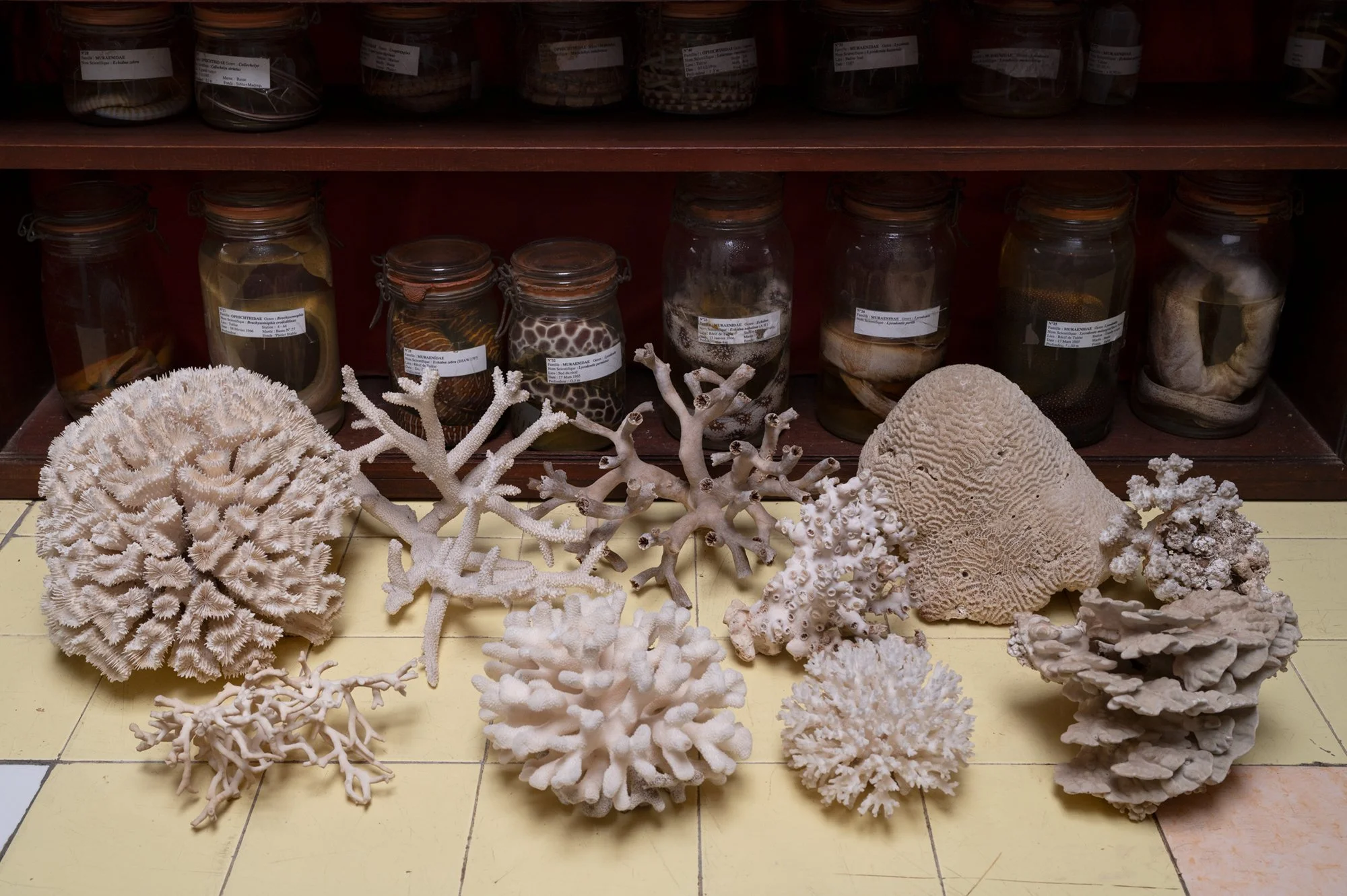
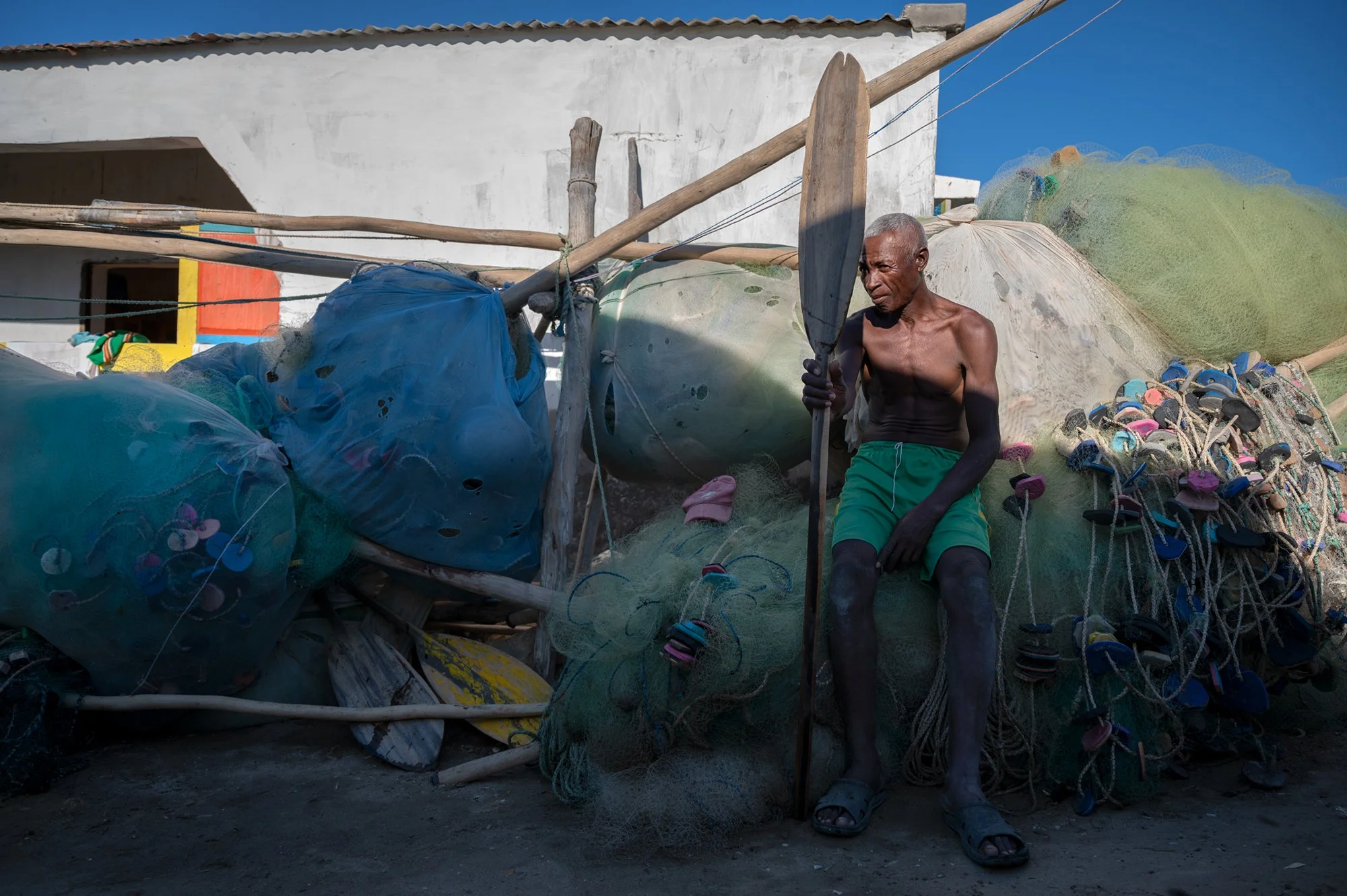
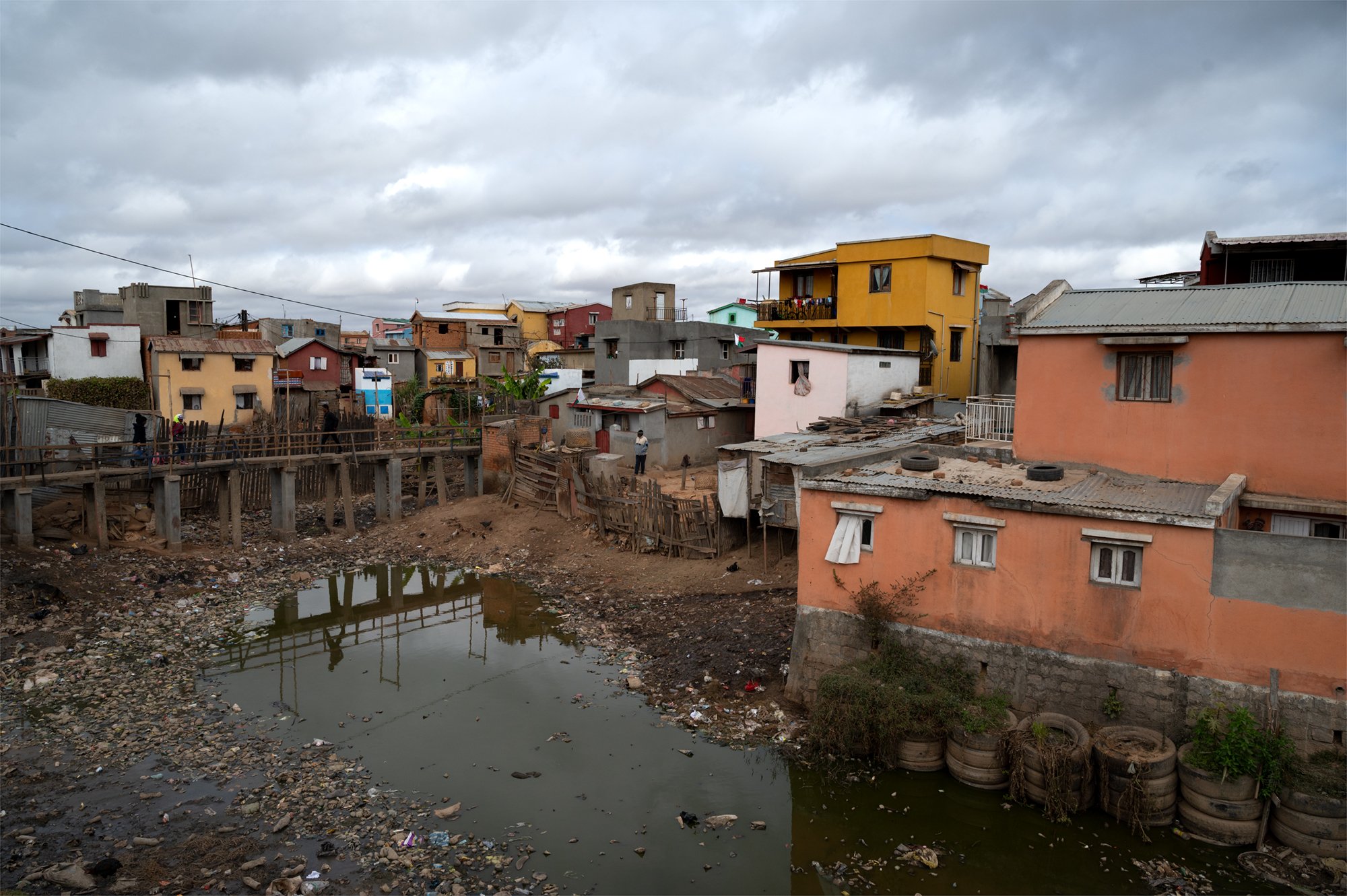
As desertification advances and droughts intensify, the World Food Programme estimates that 1.47 million people in southern Madagascar now require emergency food and nutritional assistance. In inland areas, more and more Malagasy are forced to abandon their home villages and migrate to the slums of the capital, Antananarivo, or to coastal regions, relying on fishing to survive. However, rising ocean temperatures, water acidification, overfishing, and the expansion of the Andaboy dune system have caused the death of 75% of the largest coral reef in the West Indian Ocean, off Toliara in the Atsimo-Andrefana region, further reducing fish availability in the Mozambique Channel.
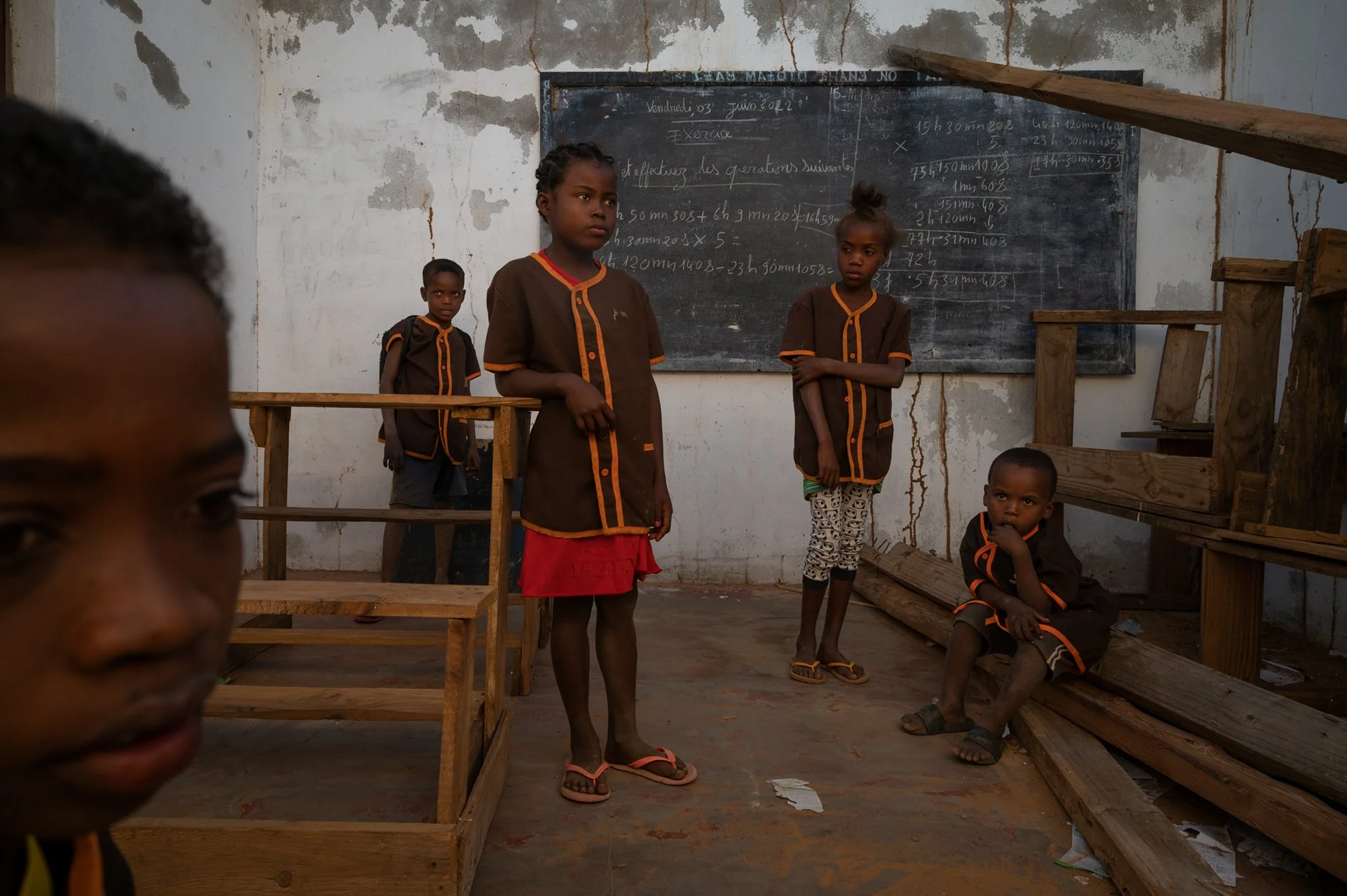
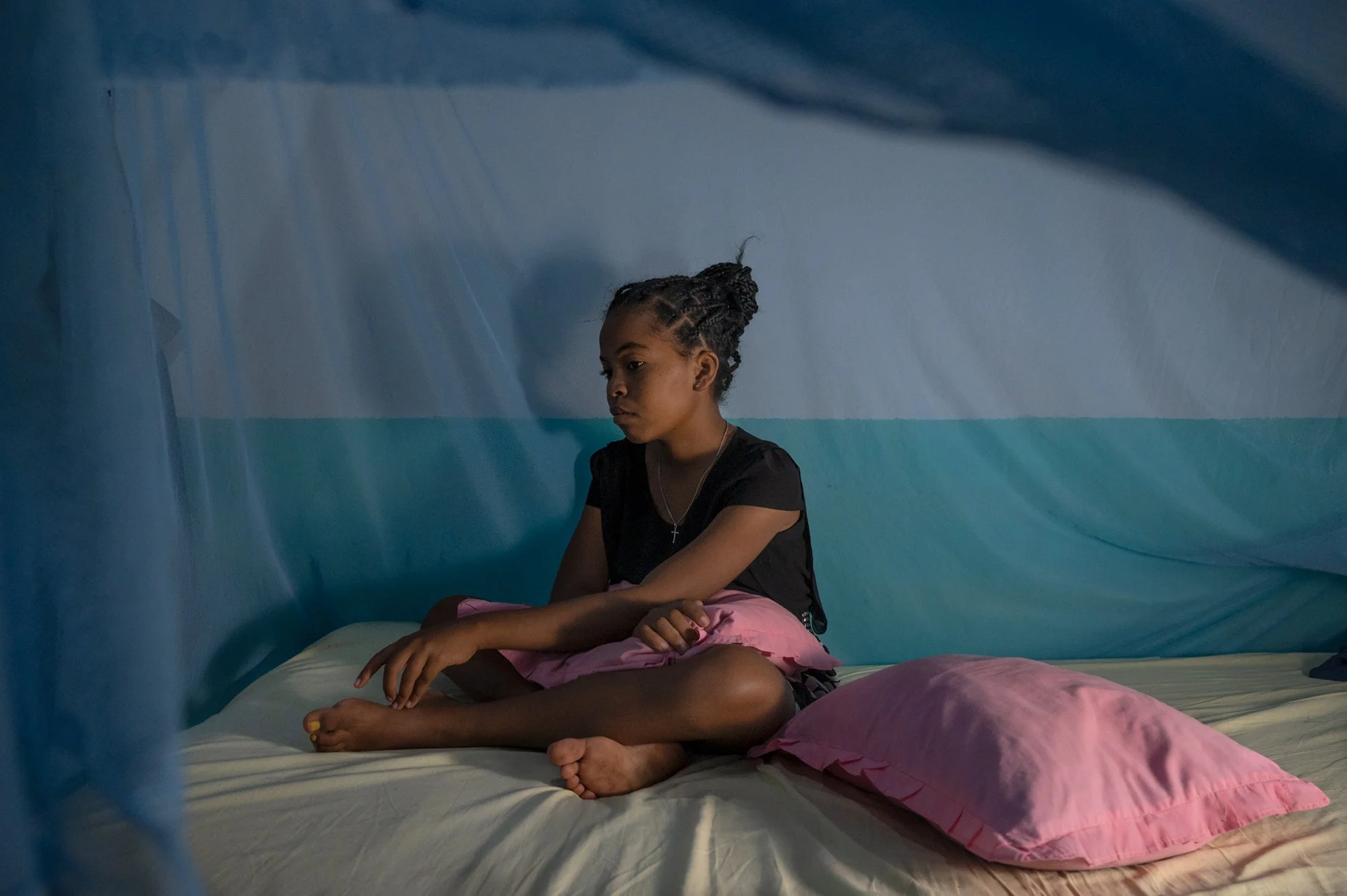
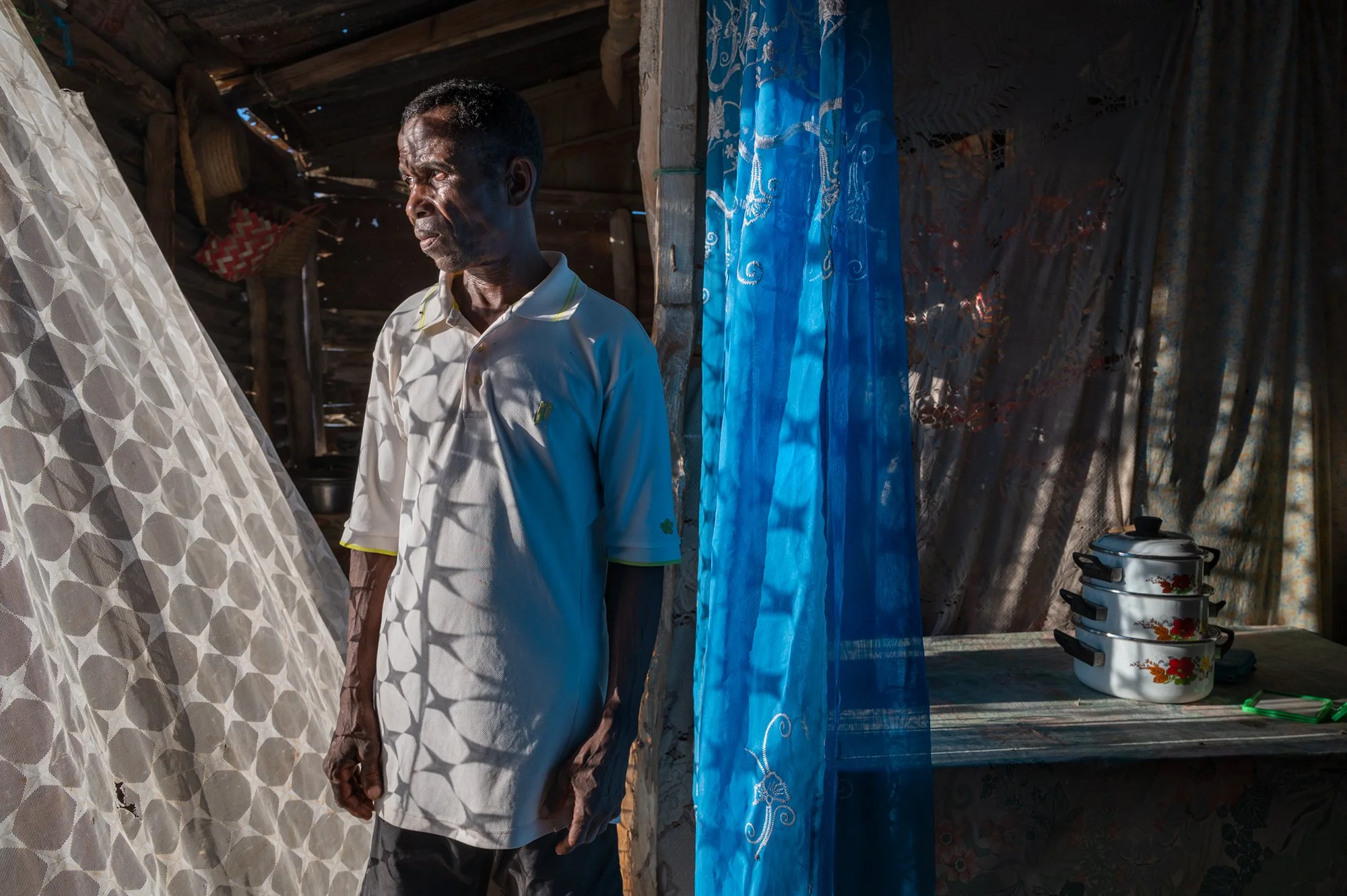
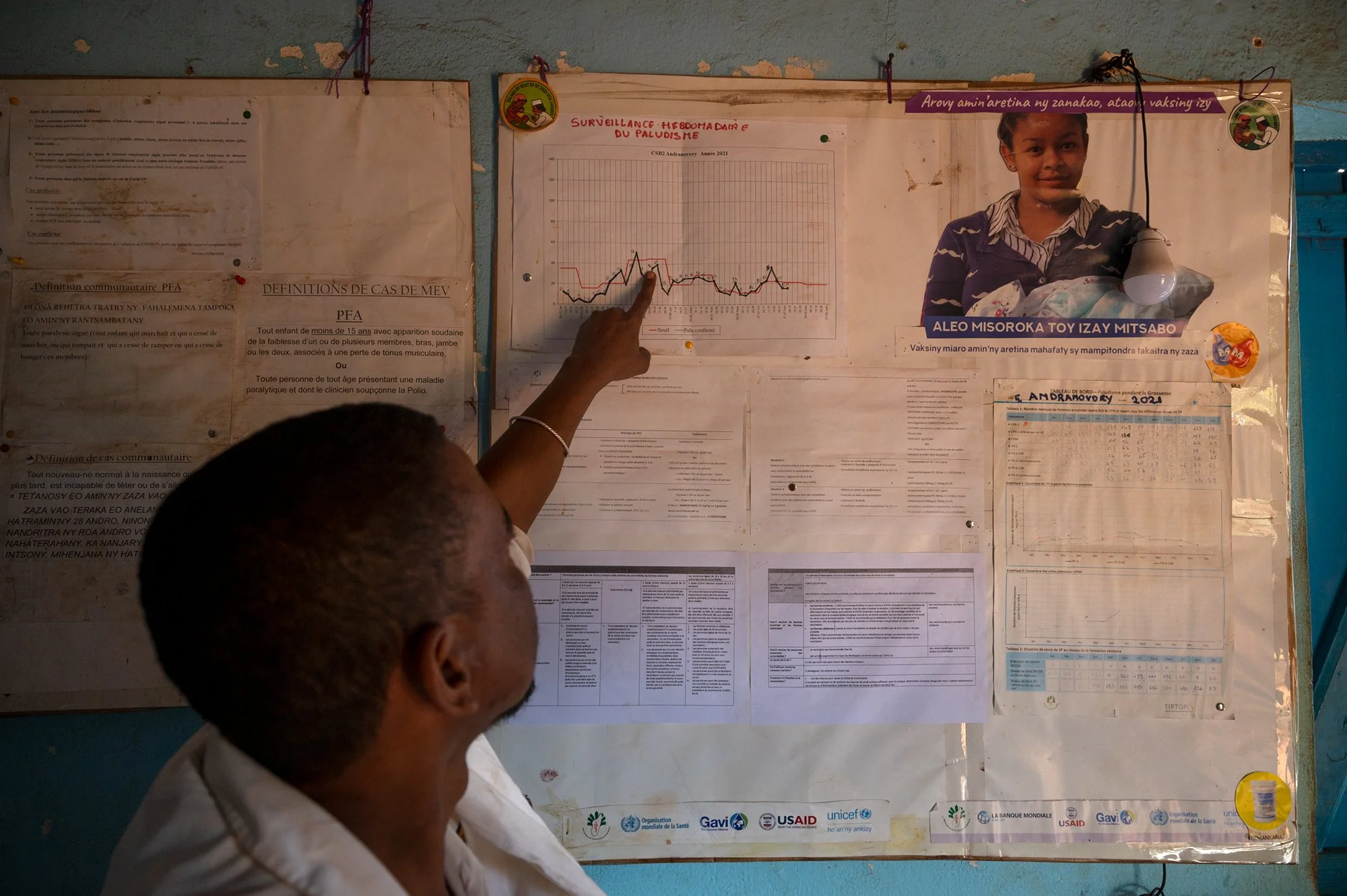
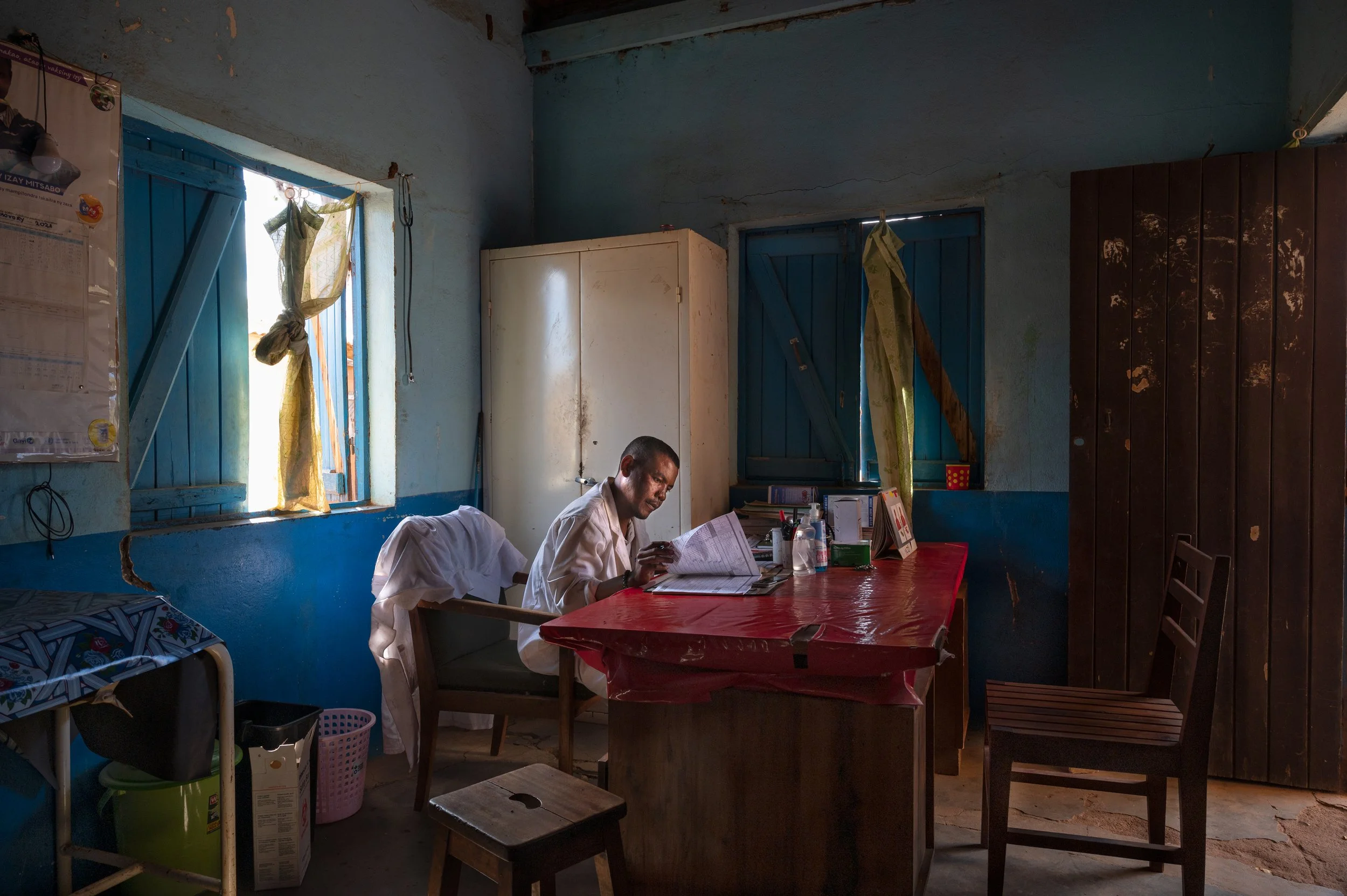
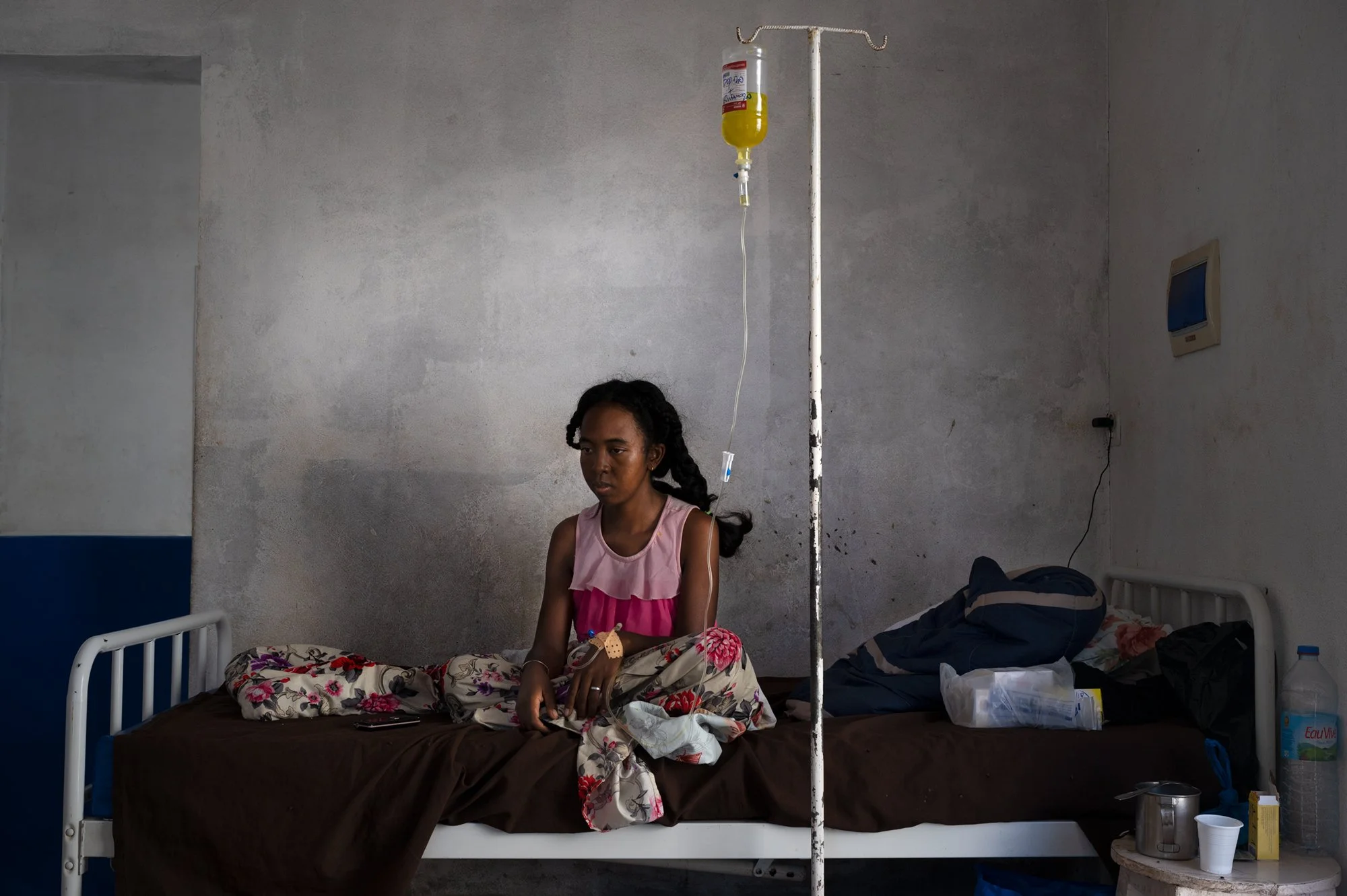
At the hunger-stricken border of Andranavory, as well as in other parts of the “kere,” famine driven by climate change is increasingly associated with outbreaks of Lyme disease, diarrhea, and malaria, worsening an already fragile social context in which younger generations are particularly affected.