2021 - Ongoing
Adrift
How Madagascar is living the full arc of the climate crisis from land to sea to city
When survival comes at the expense of your own land, the climate crisis becomes painfully human.
Adrift is a long-term project, formally launched in 2021 and still ongoing, that tells the story of the climate and social crisis in Madagascar. This large African island, drifting in the Indian Ocean and mostly known as a natural paradise, is instead one of the countries most affected by climate change in the world.
The Malagasy people, forced to face droughts, famines, and the collapse of ecosystems, often have to adopt survival strategies that further damage their own territory. Between deforestation, intensive fishing, climate stress, and forced migrations, the reportage highlights the immediate impact of climate change on daily life, revealing the fragile balance between human survival and environmental degradation.
Chapter I - The Land
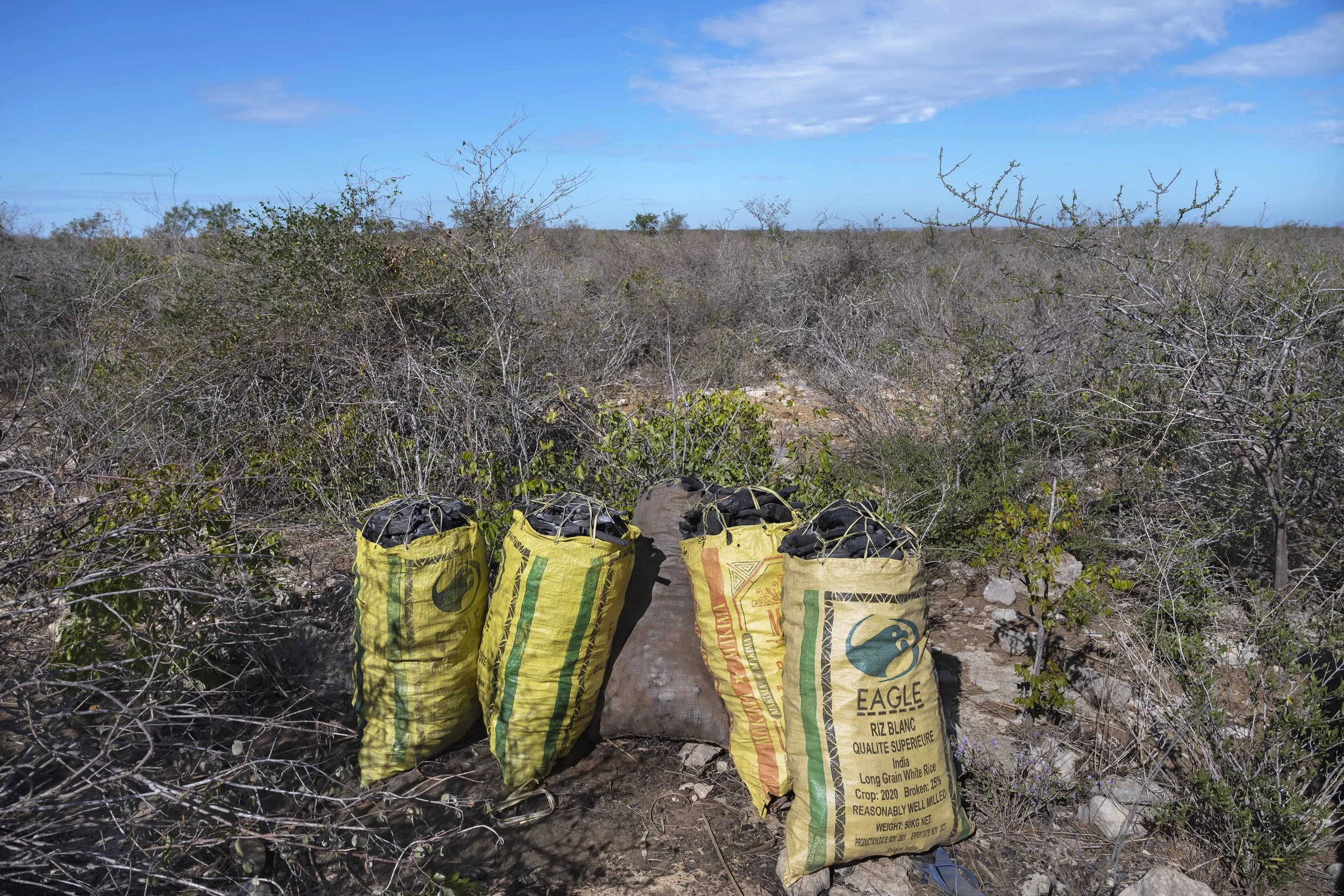
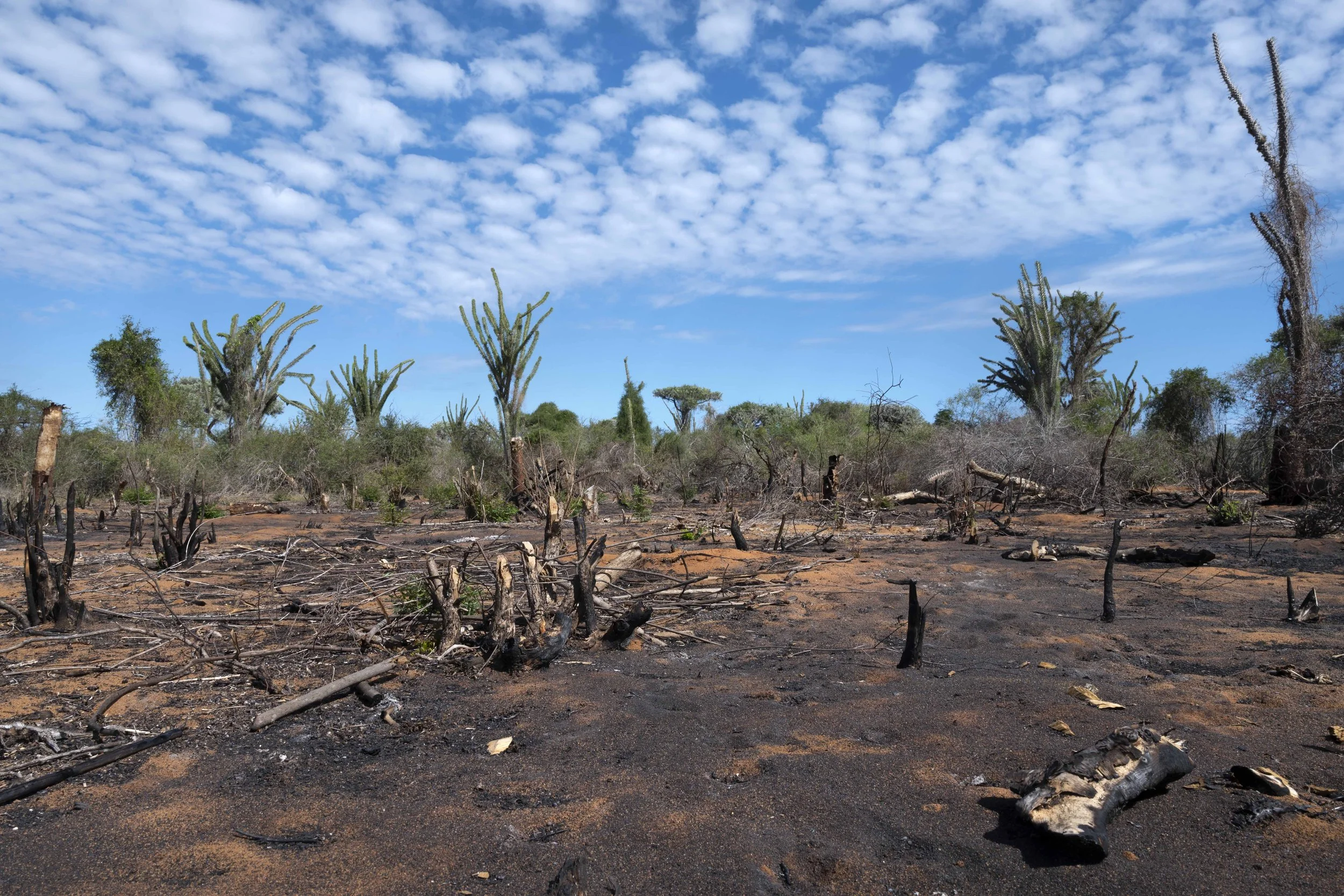
Deforestation becomes both a coping mechanism and a trap meeting immediate needs while undermining long-term survival.
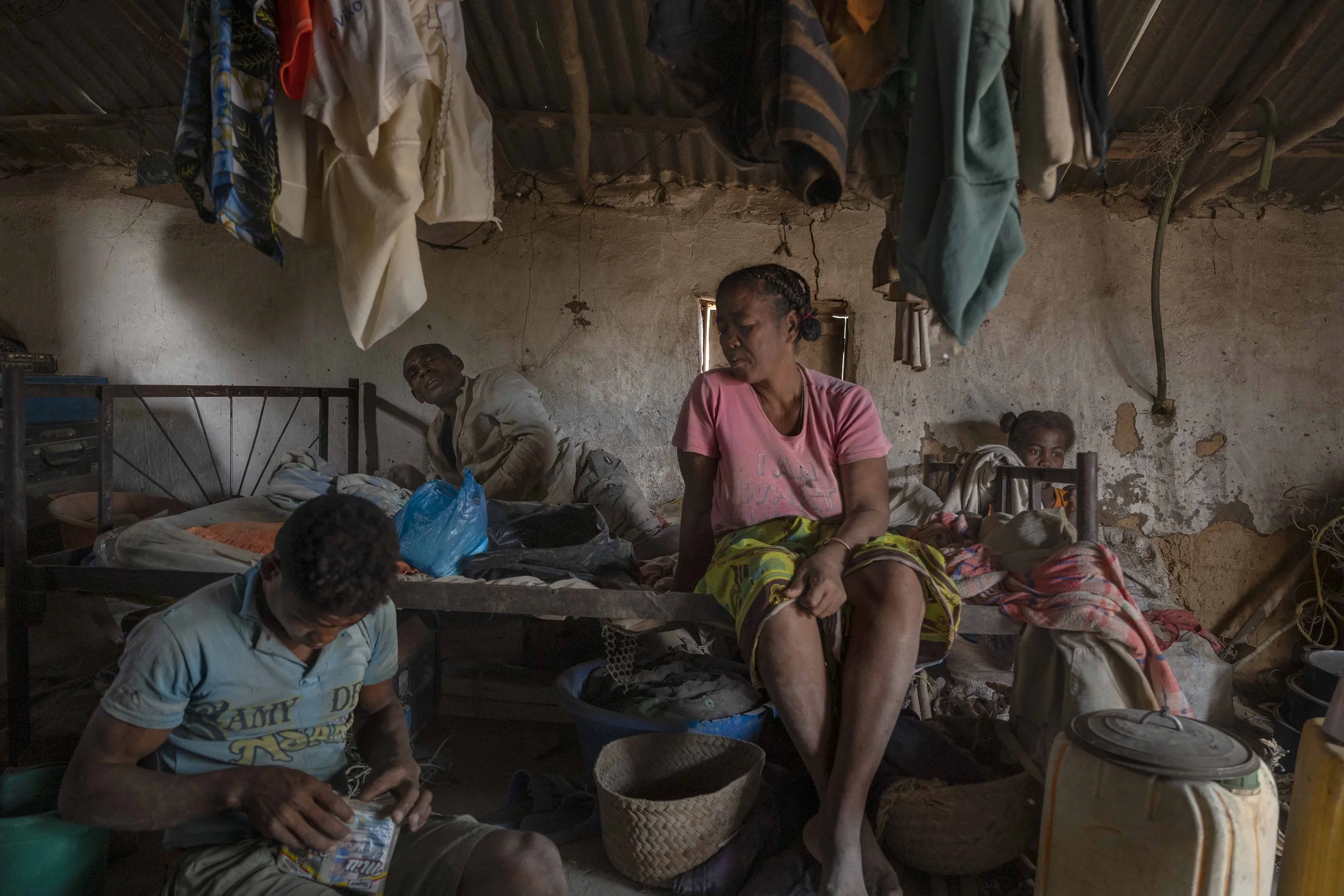
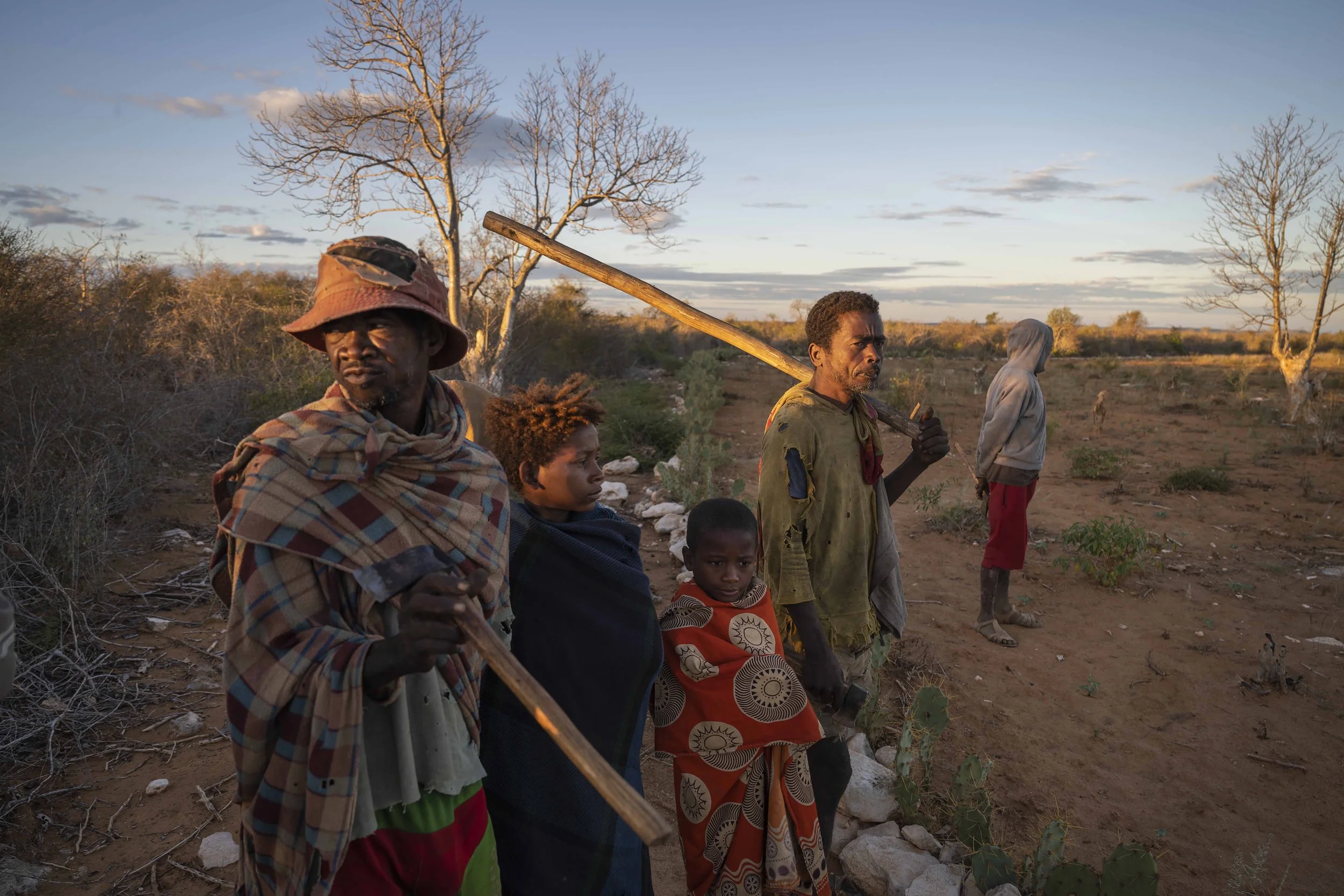
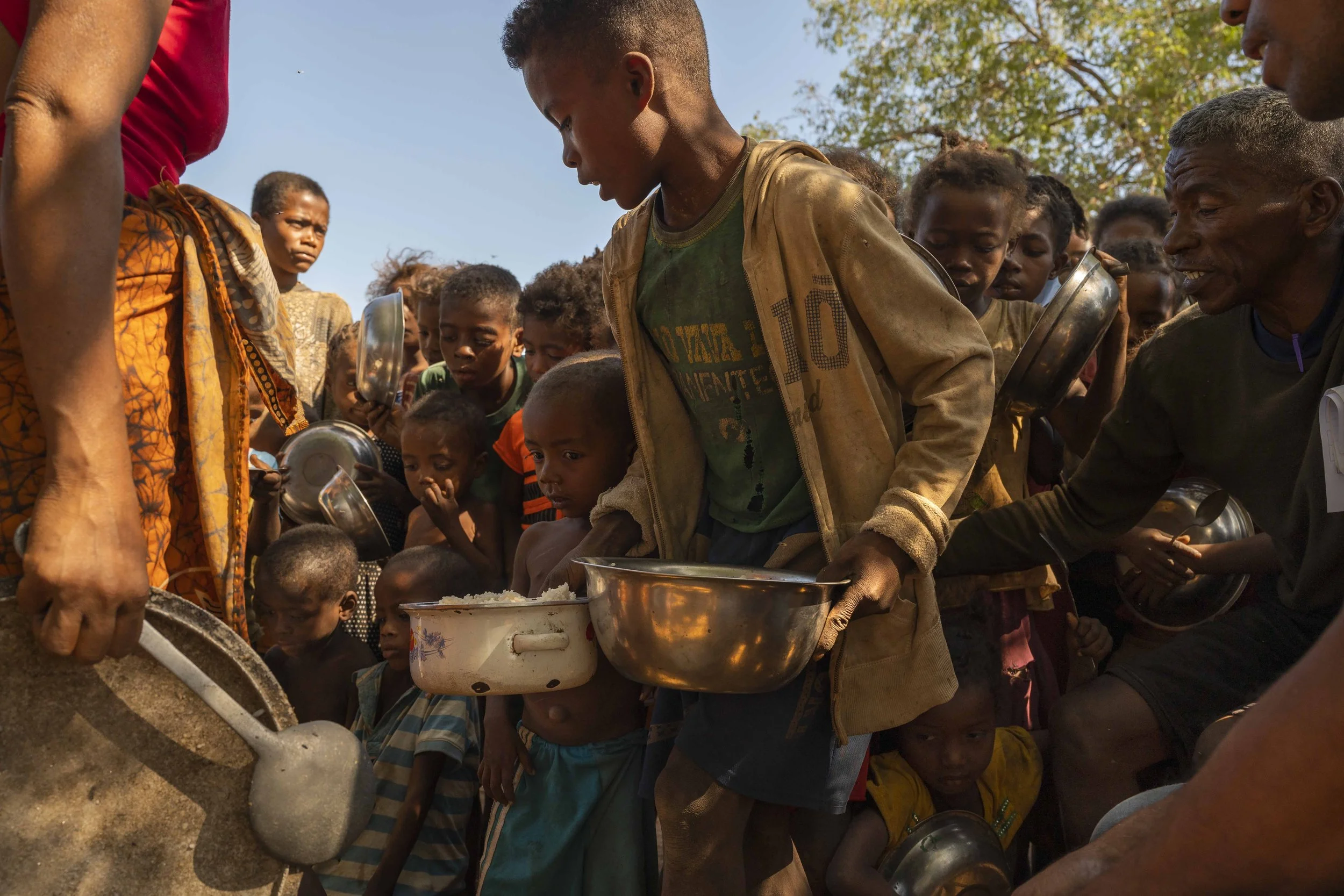
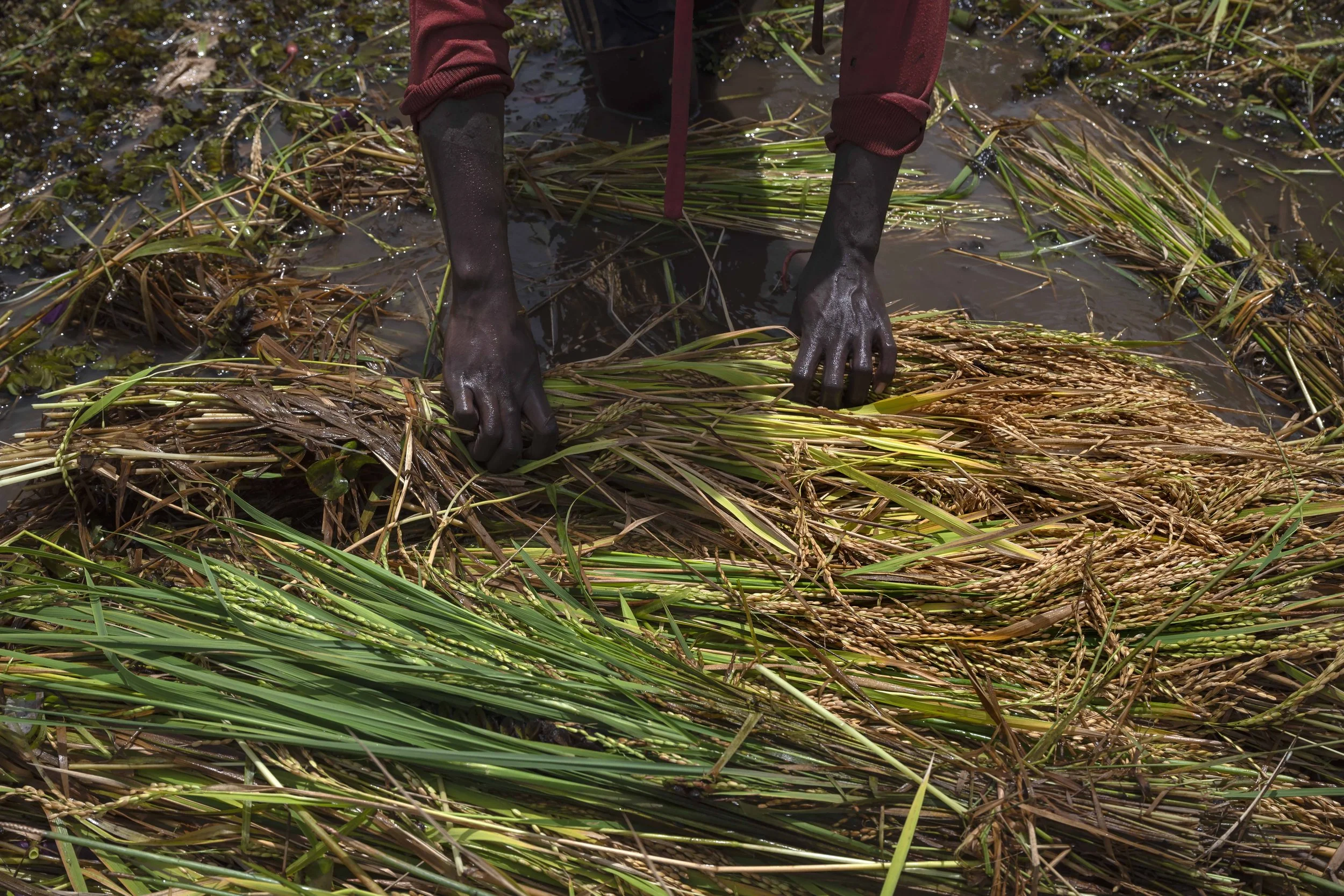
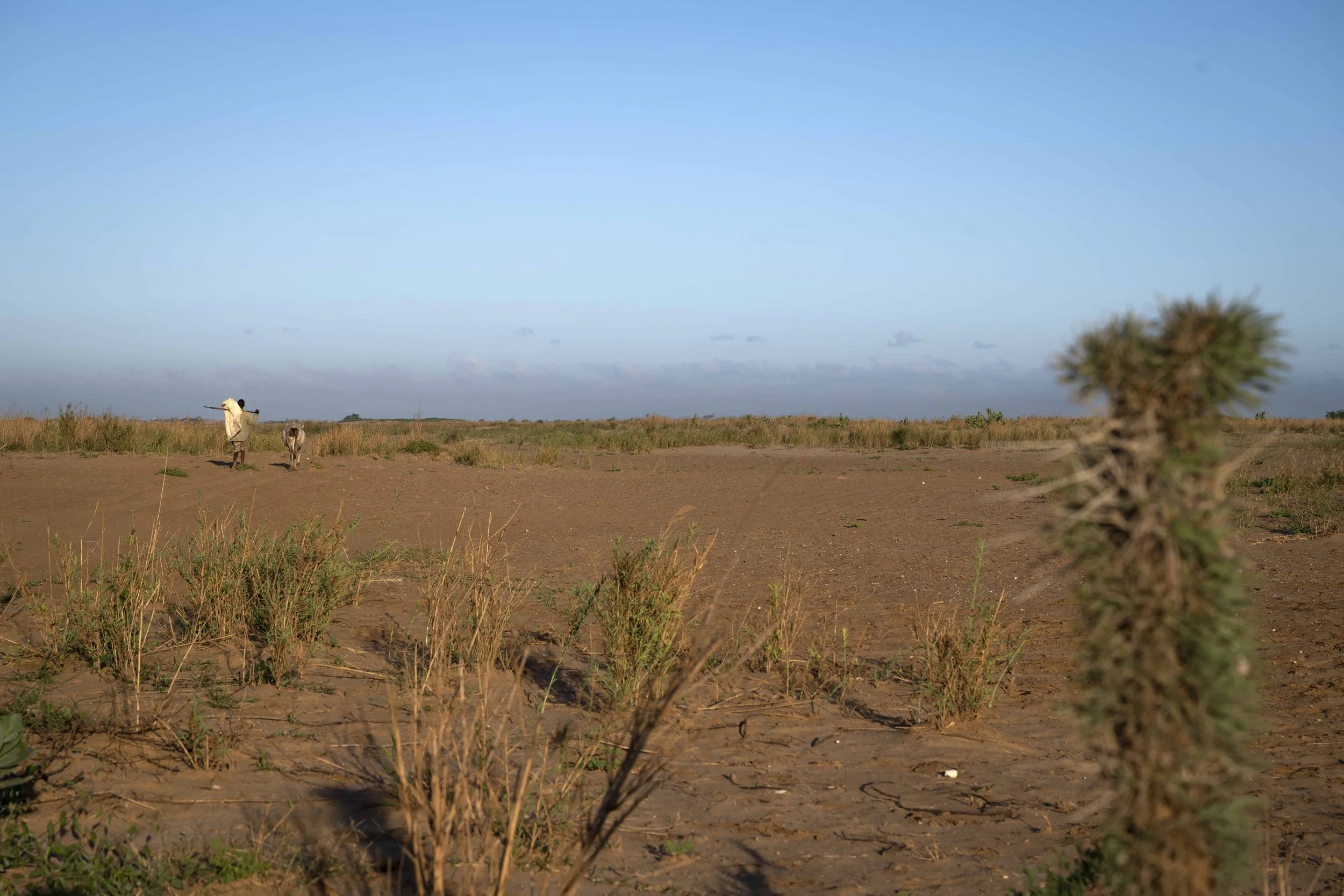
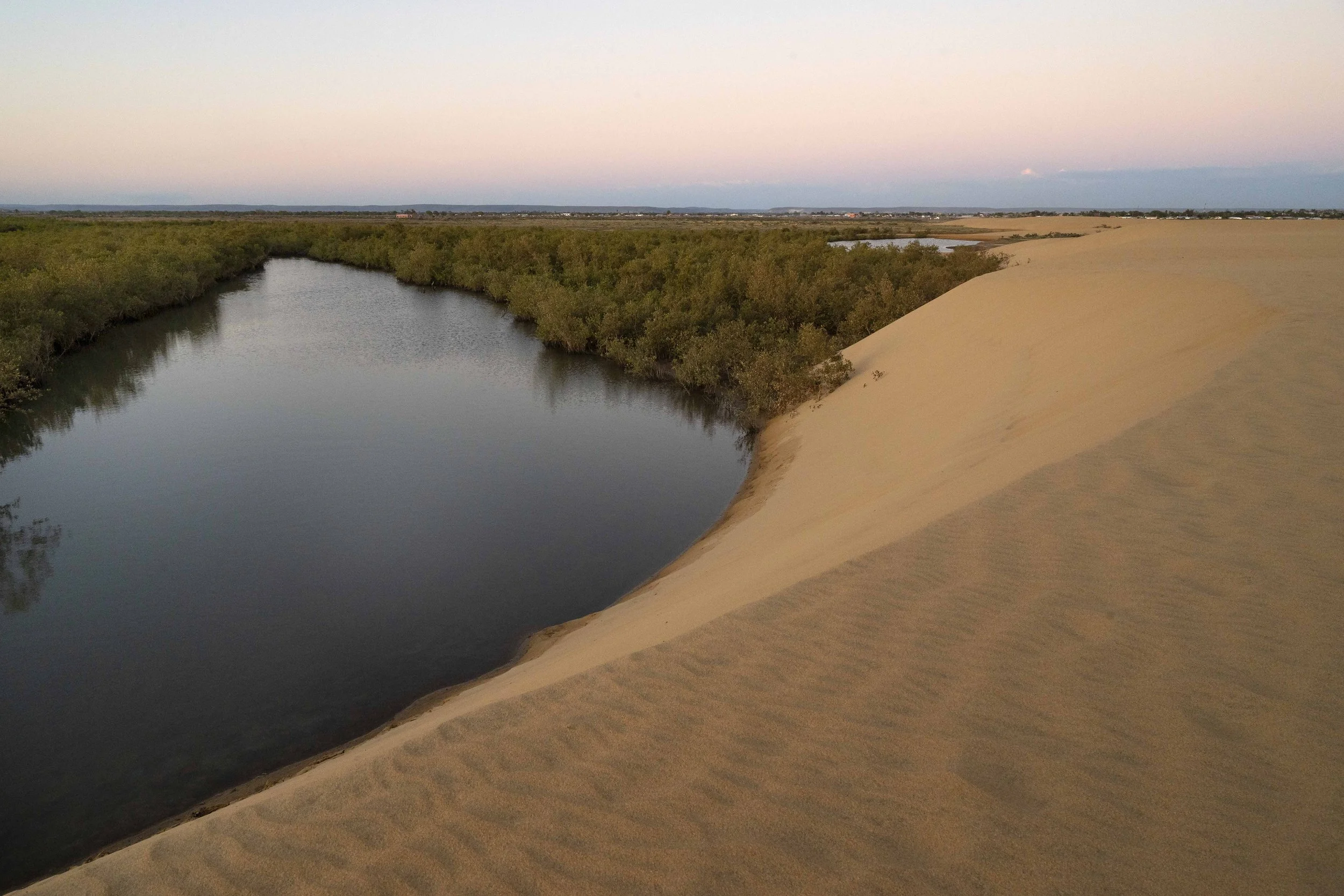
In southern Madagascar, rural communities are confronting an environmental crisis that is reshaping the very conditions of survival. Subsistence farmers, pastoralists, and entire households depend almost entirely on natural resources. Recurrent droughts, declining harvests, and chronic food insecurity are driving widespread deforestation, as communities increasingly rely on slash-and-burn agriculture and charcoal production to survive. Forests are cleared both to open short-lived agricultural plots and to produce fuel for local markets, accelerating primary forest loss and soil degradation.
This dynamic has intensified over the past 25 years, with a marked acceleration since 2015, alongside more frequent and prolonged droughts. Southern regions are among the most affected, gradually shifting toward semi-arid landscapes. The absence of effective rural development policies, limited economic alternatives, and mounting climate pressures leave communities with few options. Researchers estimate that if current trends continue, between 38% and 93% of Madagascar’s forests present in 2000 could disappear by 2050.
Chapter II - The Sea
The collapse of marine ecosystems are reshaping survival along Madagascar’s coasts.
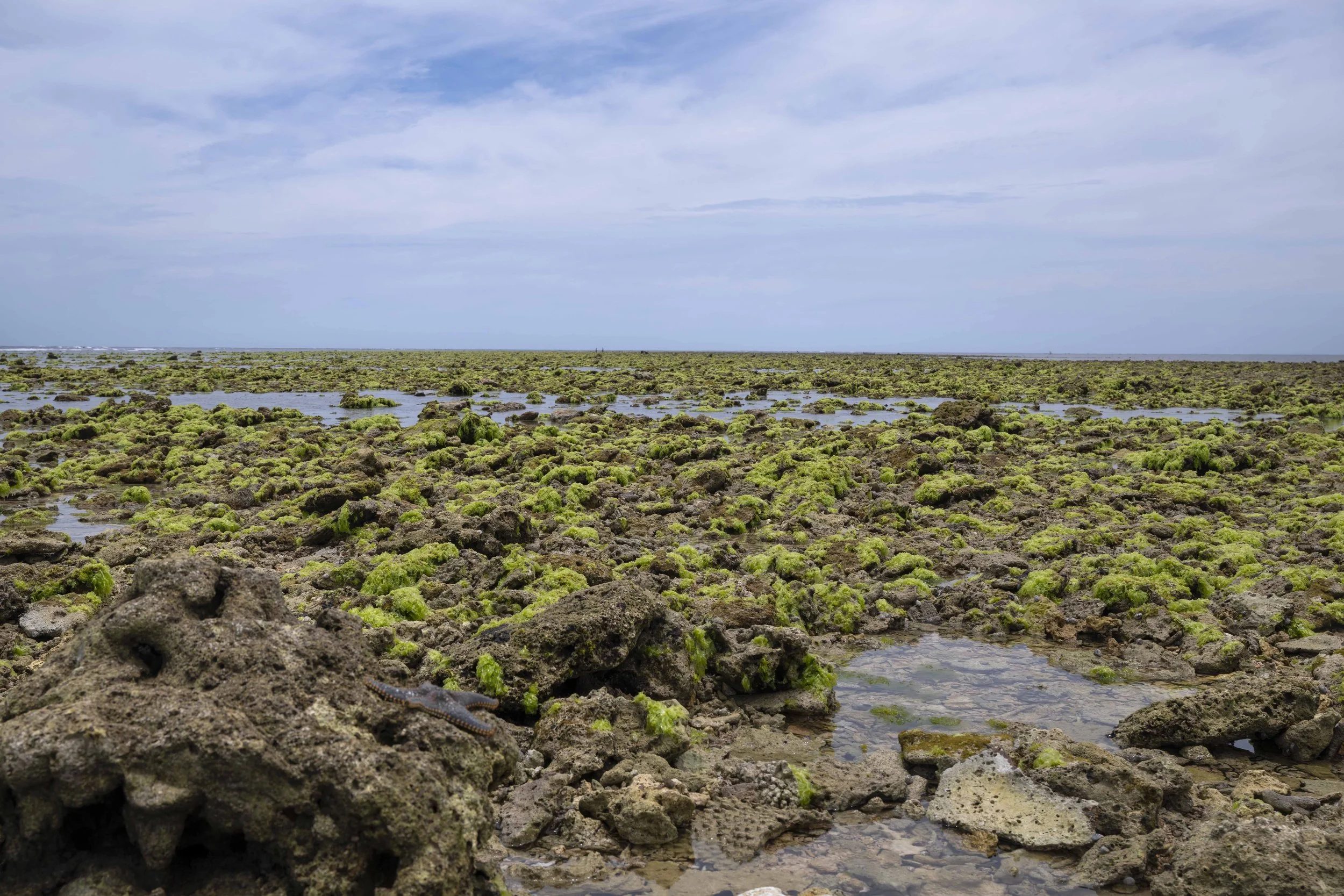
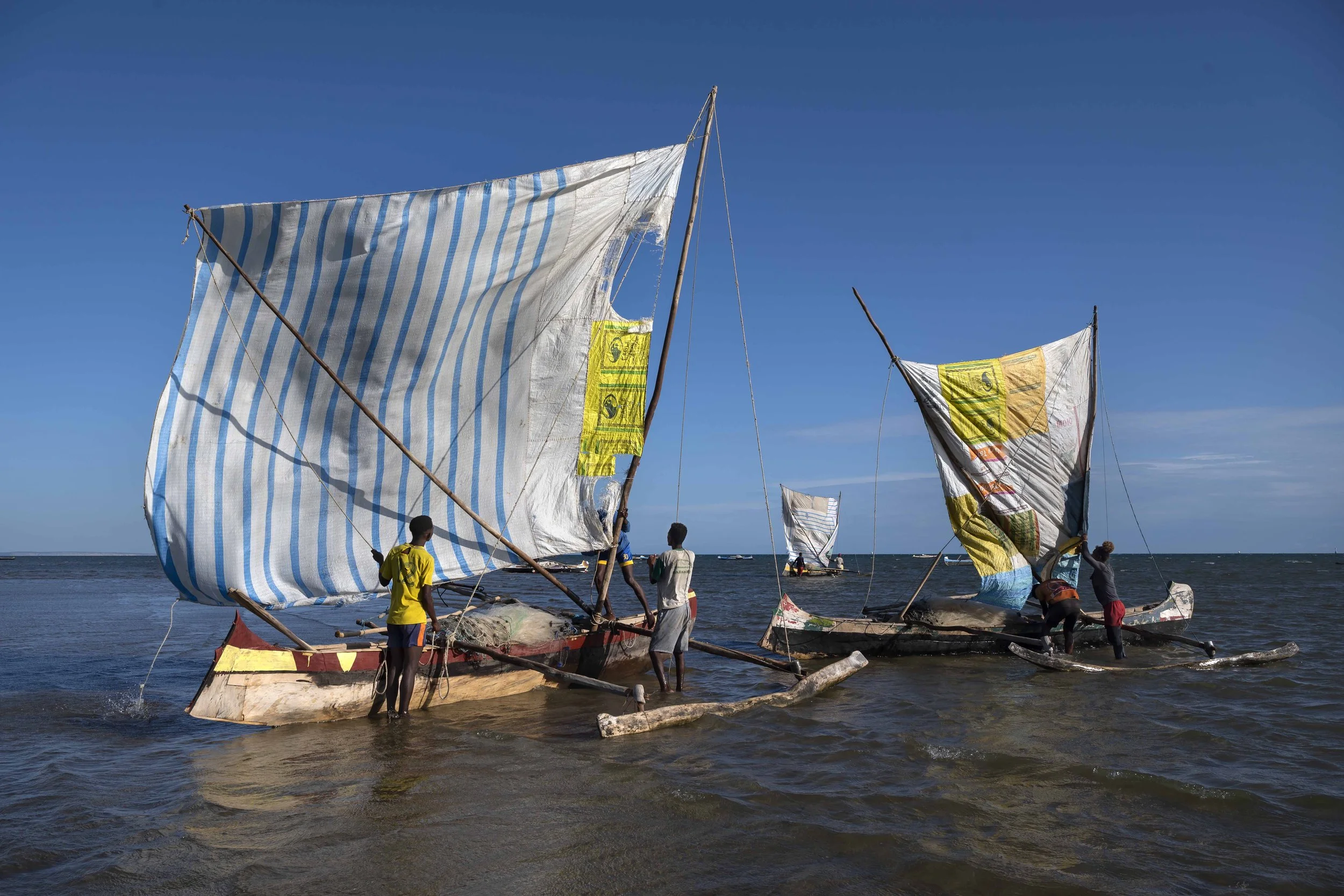
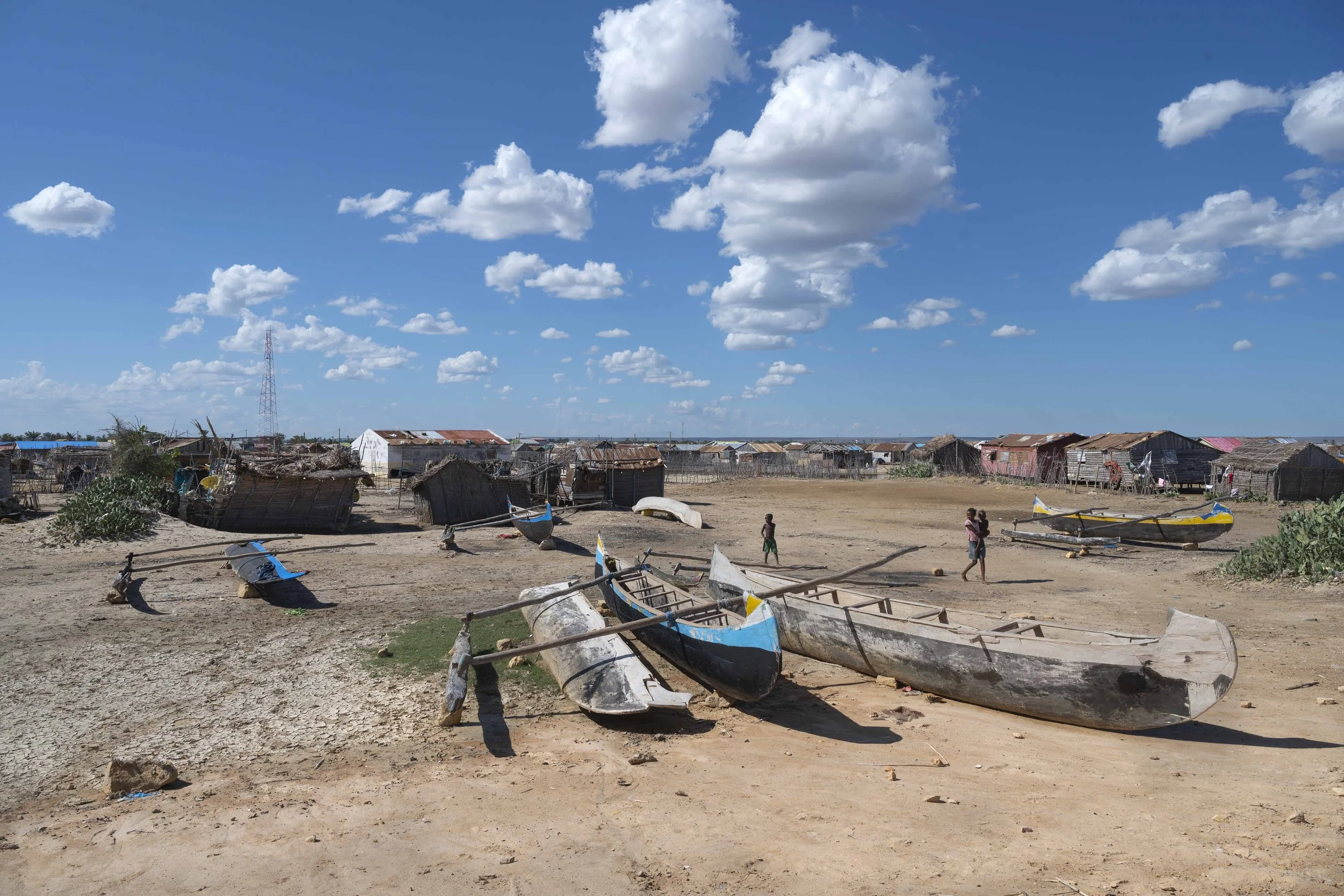
Along the coasts of Madagascar, artisanal fishing communities, coastal families, and informal workers are today at the center of an increasingly severe environmental crisis. In recent years, and with growing intensity, their relationship with the sea has been radically transformed by climate change and human pressures.
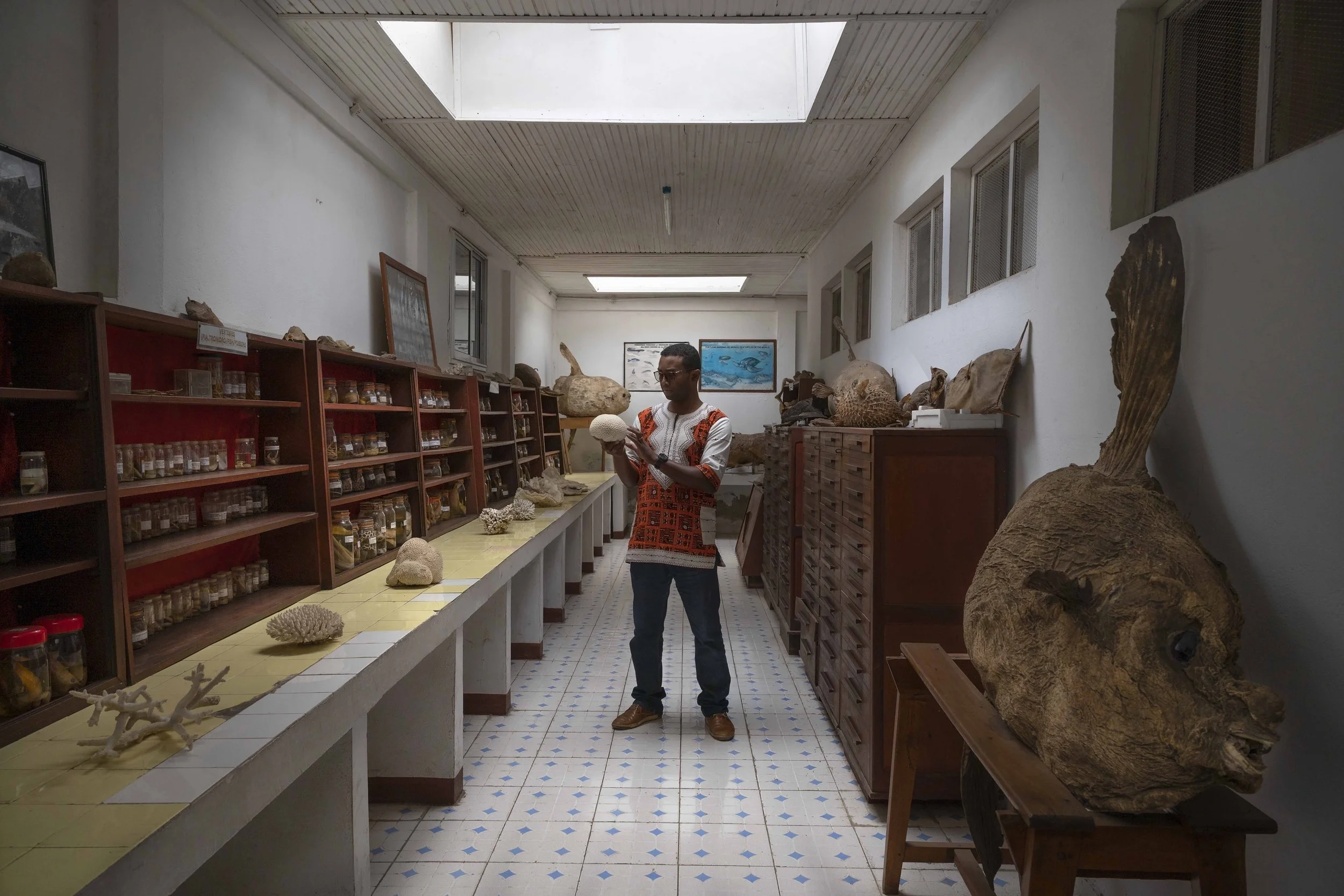
Rising sea temperatures, ocean acidification, and coastal sedimentation are compromising marine ecosystems, while destructive fishing practices, often driven by the need to survive, are accelerating the collapse of fish stocks. In the Toliara region, offshore, approximately 75% of the coral reef has already disappeared, reducing fish availability by 80%.
Faced with the loss of resources and the lack of economic alternatives, many communities are forced to adapt by developing new means of subsistence or adopting increasingly invasive fishing techniques. Fishing thus becomes both a survival strategy and a direct cause of environmental degradation, trapping communities in a cycle in which immediate exploitation compromises their future prospects.
Chapter III - The Migration
When the land no longer produces and the sea no longer sustains, movement becomes inevitable.
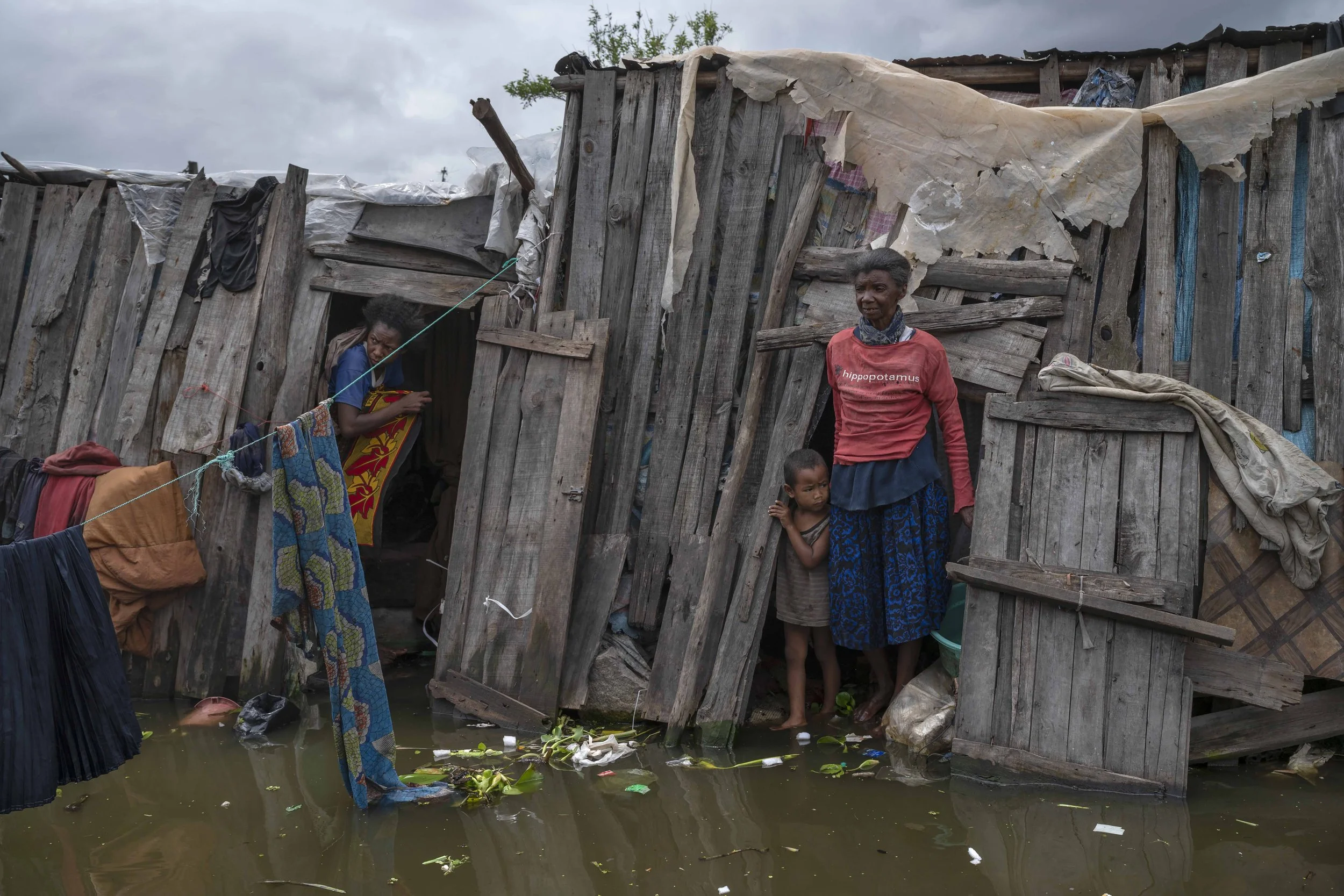
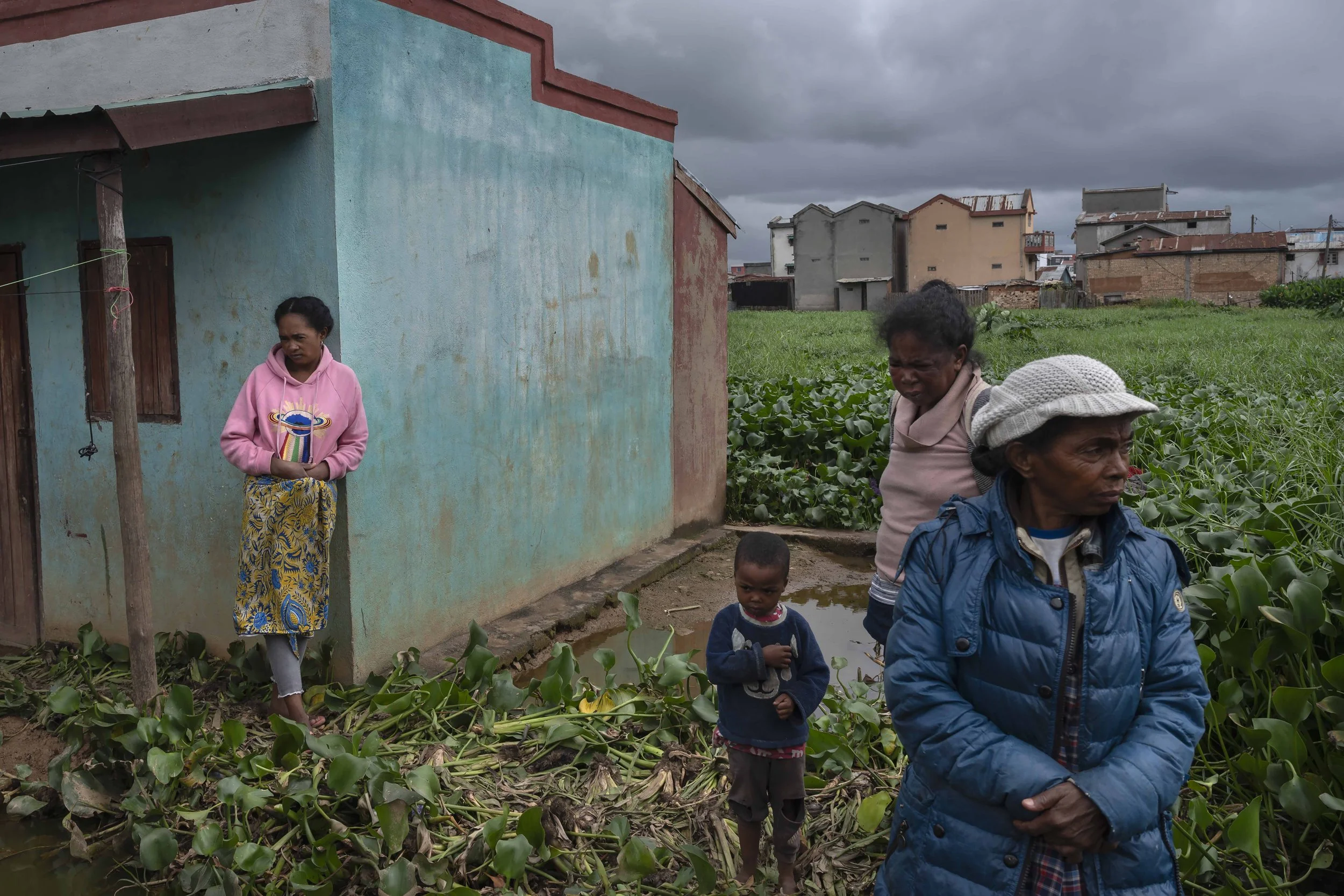
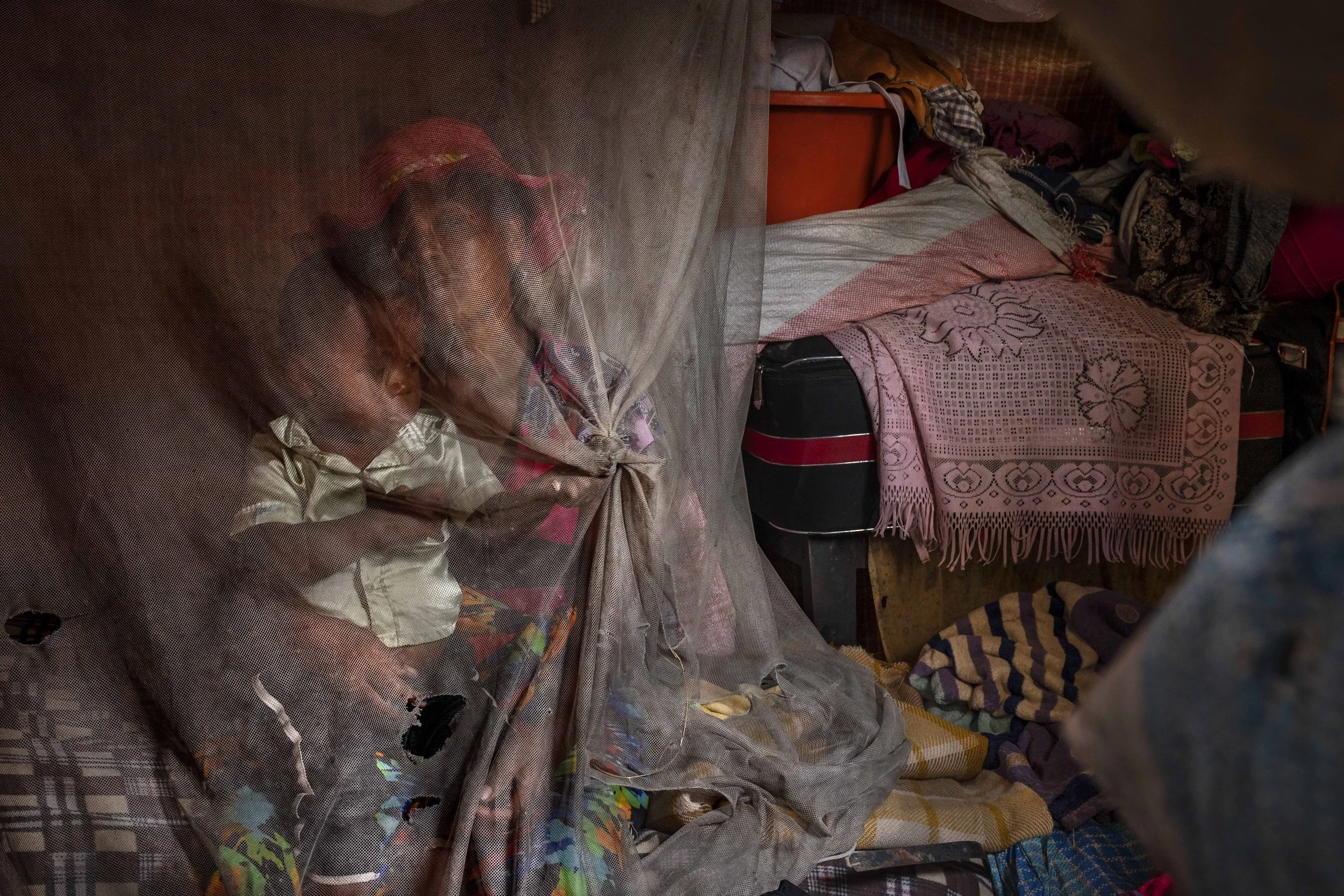
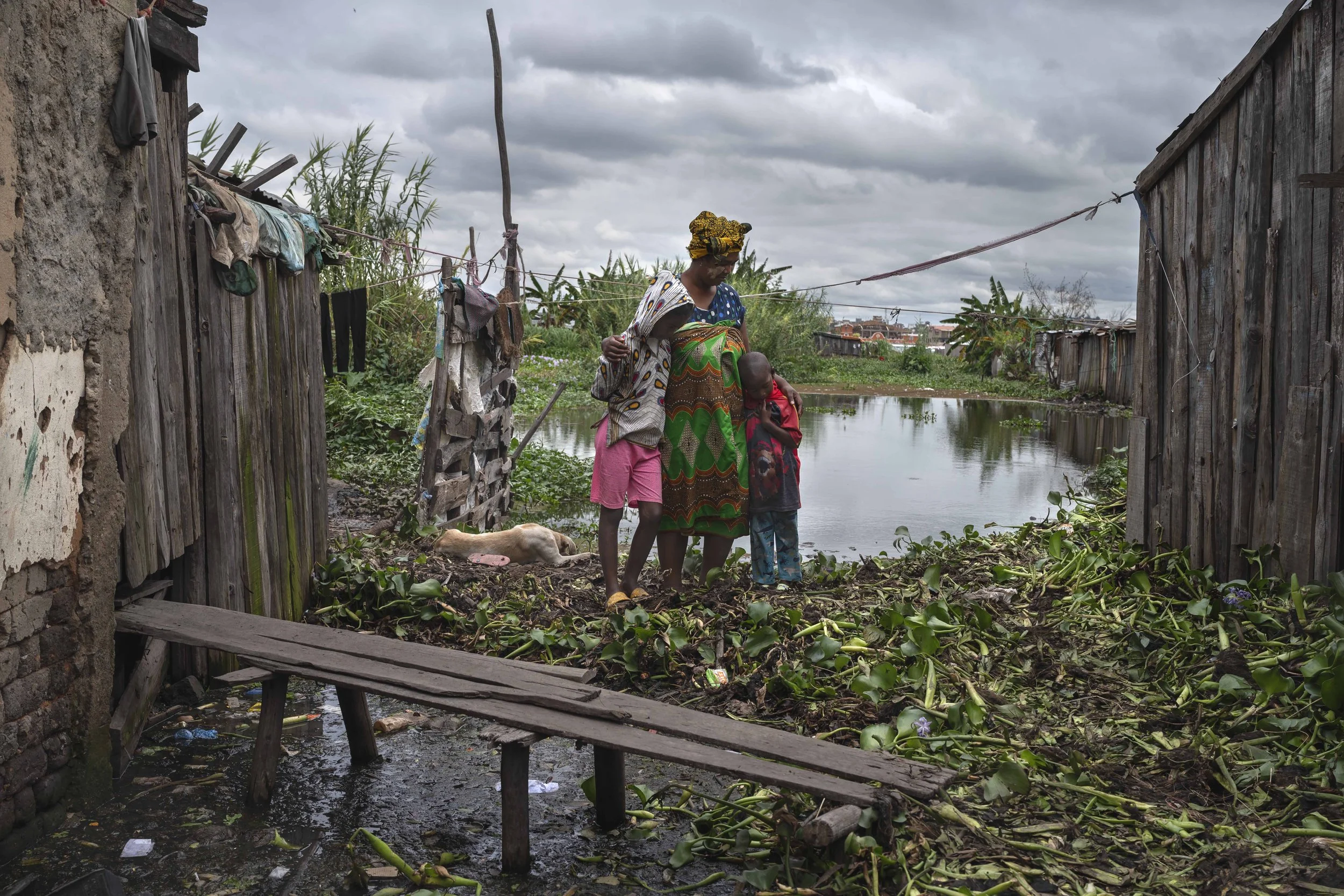
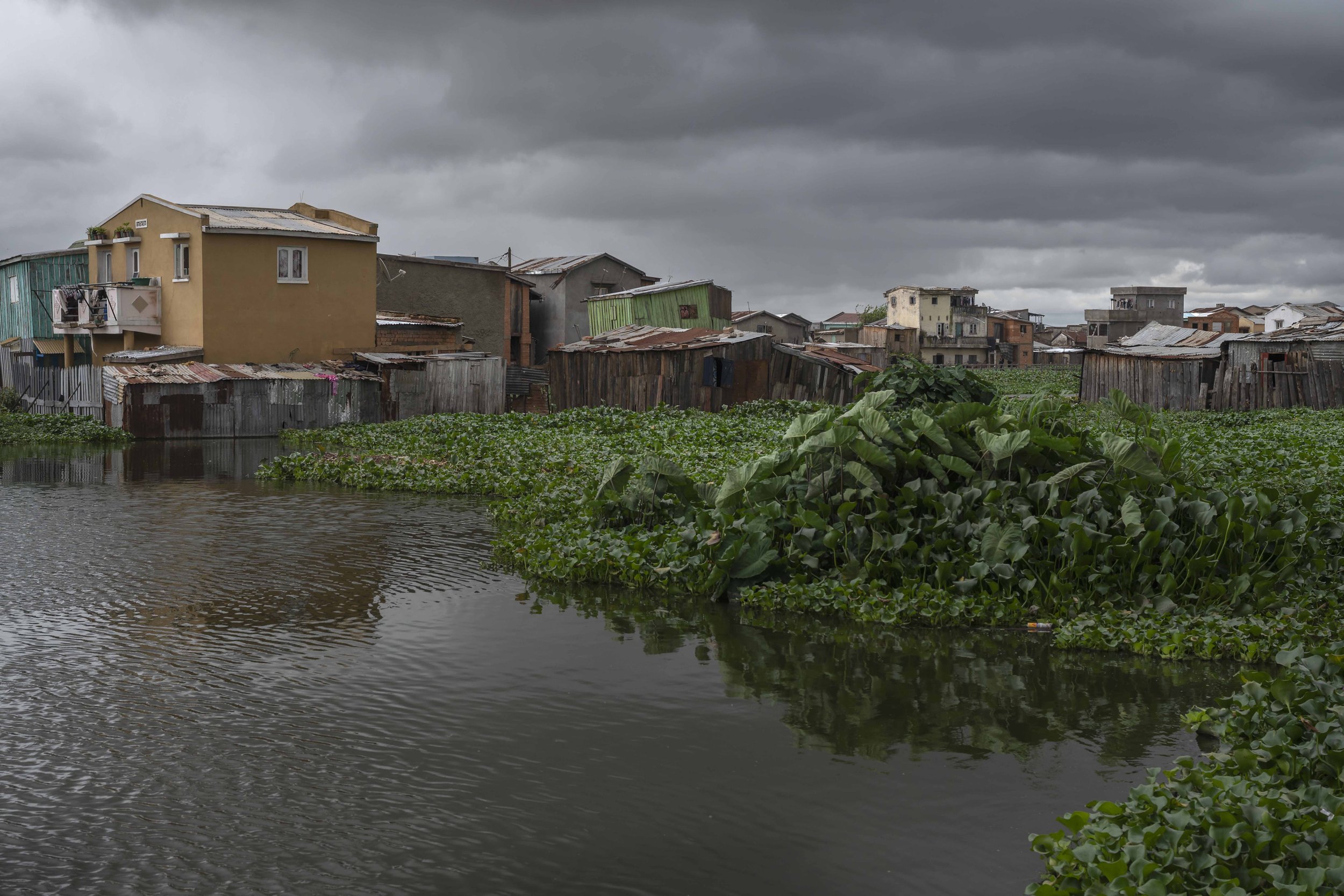
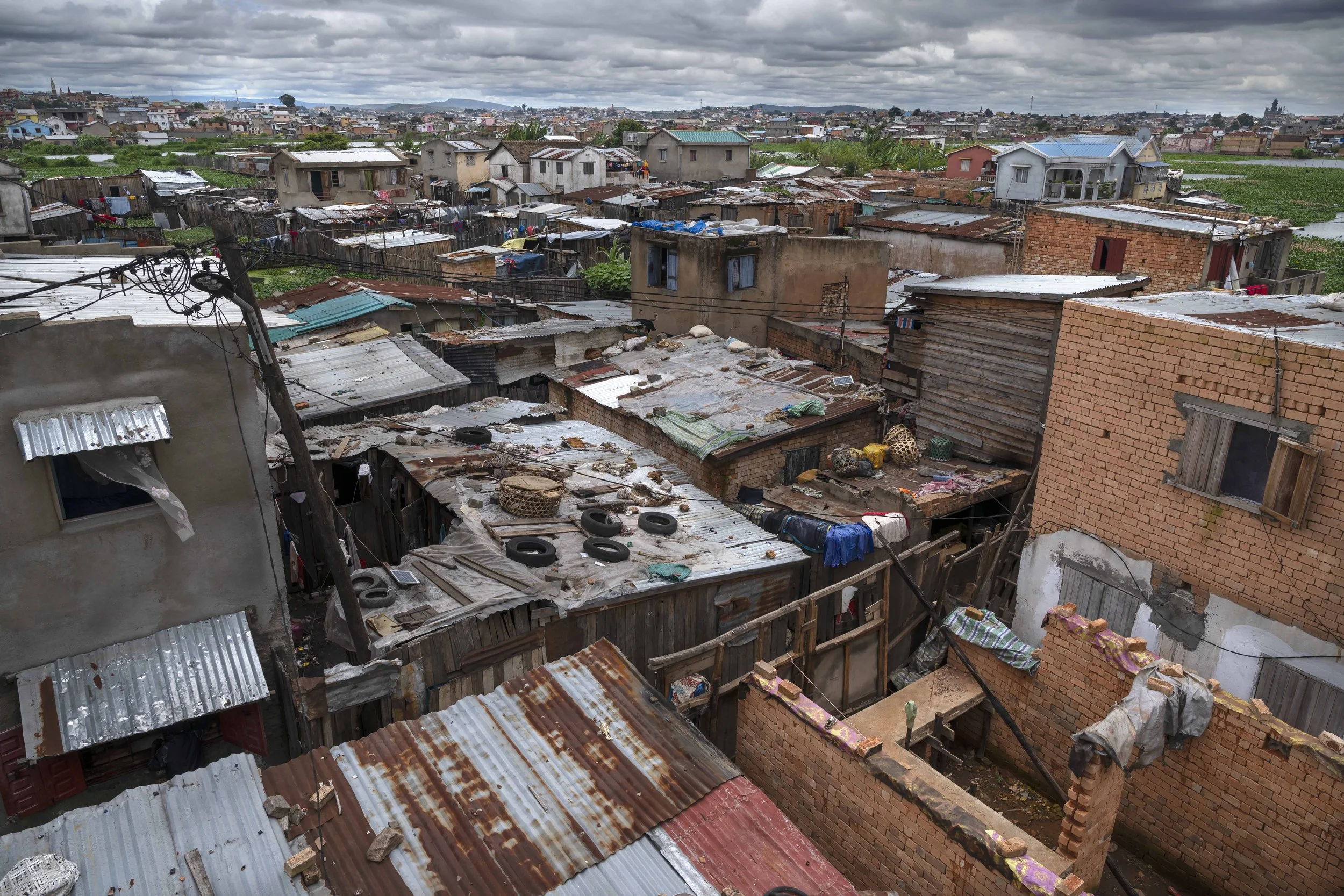
Rural families, young people, and informal workers are increasingly compelled to leave their homes as drought and food insecurity intensify across the island. Many migrants move to the capital Antananarivo, coastal zones, or try to reach Mayotte or Réunion. Migration has become a crucial coping strategy as local food systems fail and climate extremes worsen. However, relocation also creates new vulnerabilities: informal urban settlements are strained, services are inadequate, and departing communities lose labor and social cohesion. Thus, environmental stress is reshaping both rural and urban life as Madagascar grapples with recurring climatic shocks and limited adaptive capacity.